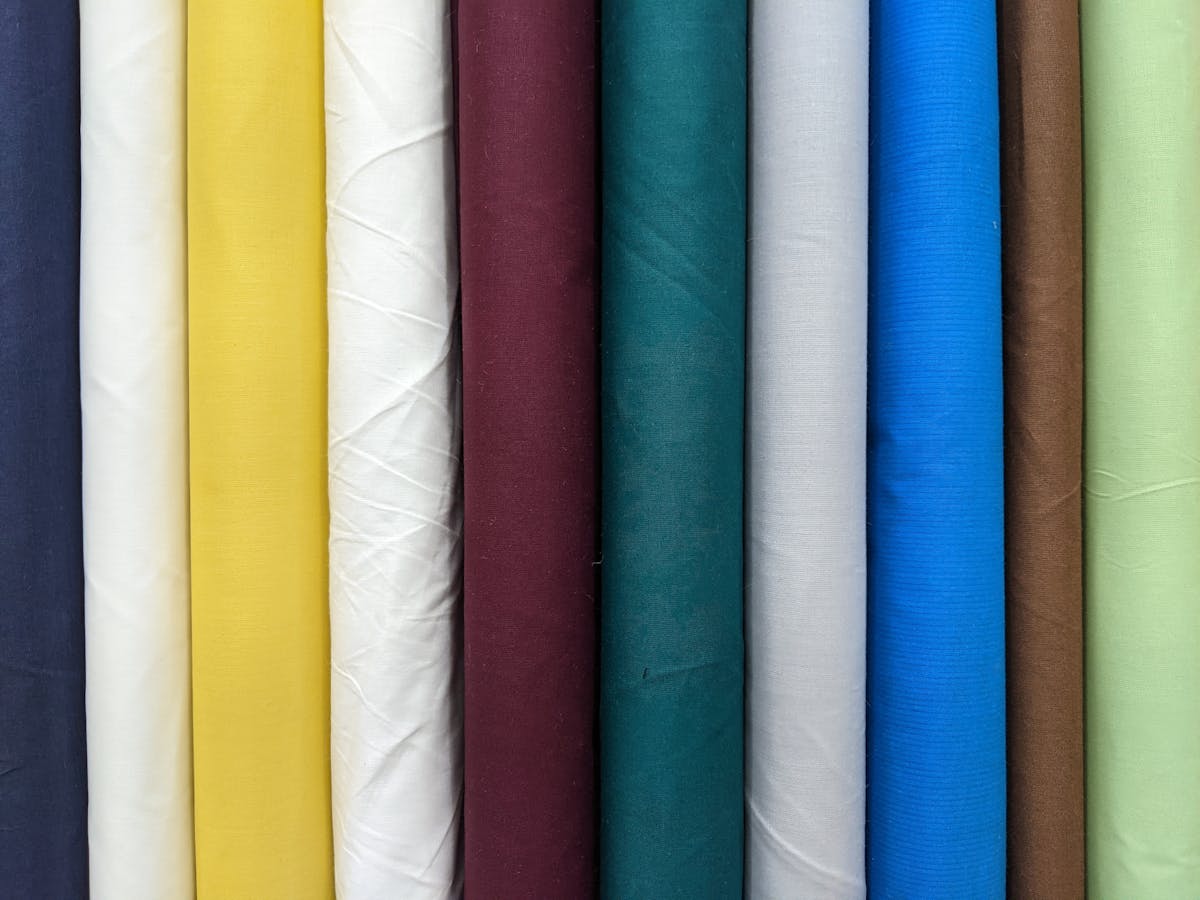
Textile design stands as a rich, multifaceted domain within the creative arts, connecting fashion, industrial design, and artistic expression. It focuses on developing patterns and motifs for fabrics that are woven, knitted, or printed. This specialized discipline addresses not only the visual appeal of textiles but also their usability and resilience, ensuring that the resulting materials satisfy both decorative and practical purposes. As interest in distinctive and eco‑friendly fabrics continues to rise, the significance of textile design within modern society grows accordingly.
The Evolution of Textile Design
Historically, the craft of textile design emerged in ancient civilizations, where fabrics were traditionally woven by hand and colored with natural dyes using complex methods handed down through generations, while the advent of the Industrial Revolution introduced automated looms and synthetic pigments that reshaped manufacturing workflows and expanded creative possibilities.
In modern times, textile design has become integral to numerous industries beyond fashion, including home decor, automobile manufacturing, and even tech innovations such as smart textiles. Each industry requires thoughtful design processes, focusing on factors like texture, weight, and colorfastness to suit specific applications.
The Process Behind Textile Design
The textile design process blends structured methodology with imaginative exploration, often starting as designers conduct in‑depth research and gather inspiration from art, nature, travel, and prevailing trends before moving into hand sketches and digital layouts crafted in software such as Adobe Illustrator and various CAD tools that support accurate pattern development and refinement, while modern technological innovations further enhance these stages by allowing designers to preview how a fabric might drape and react to different lighting conditions.
Sampling represents a vital step in which limited batches of a design are created to verify pattern precision, color richness, and fabric feel. During this stage, textile chemists and engineers frequently collaborate to confirm that the finished product aligns with required performance standards.
Methods for Designing Textiles
A wide range of methods can be used in textile design, each delivering distinct outcomes. Weaving and knitting serve as core practices, with weaving defined by the crossing of warp and weft threads, while knitting relies on interlinked loops. These processes enable the creation of materials spanning from airy summer cloth to robust upholstery.
Printing works by adding color and pattern to the surface of fabrics, with popular methods including screen printing, digital printing, and block printing. Innovative approaches such as 3D printing have introduced new artistic dimensions, allowing for the creation of intricate textures and patterns unattainable by traditional means.
Embroidery provides ornate detail by sewing motifs directly into the fabric, often using varied textures and embellishments like beads and sequins to enhance depth.
Commercial Applications and Innovations
Textile design’s applications are as diverse as its techniques. In fashion, textiles contribute significantly to a garment’s appeal, with unique prints and textures setting brands apart in a saturated market. An illustrative case is the use of moisture-wicking fabrics in activewear, revolutionizing the functionality of sports apparel and enhancing performance.
In home furnishings, textiles play a central role in defining interior aesthetics and comfort, from the luxurious feel of velvet cushions to the rustic charm of linen curtains. The automotive industry employs durable textiles in car interiors, focusing on features like UV resistance and hypoallergenic properties.
Environmental consciousness has inspired a surge of creativity in textile design, where sustainable methods like incorporating organic fibers and safe, non-toxic dyes are gaining prominence, and new recycling technologies allow designers to transform materials such as plastic bottles into usable fabrics, showcasing the industry’s growing dedication to shrinking its ecological impact.
The Emerging Horizons of Textile Design
As technology evolves, so too does the potential for innovation in textile design. The integration of smart textiles, which can monitor health metrics or change color in response to environmental stimuli, presents exciting opportunities for the industry. Moreover, 3D printing and digital fabrication continue to push the boundaries of what is possible, offering designers new tools to explore and create.
Ultimately, textile design stands as a vibrant, ever‑evolving pillar of today’s industry, consistently adjusting to shifts in consumer tastes and emerging technologies. Blending creative appeal with practical value, it is expected to stay a vital domain for both designers and consumers, influencing the very materials that define everyday life.