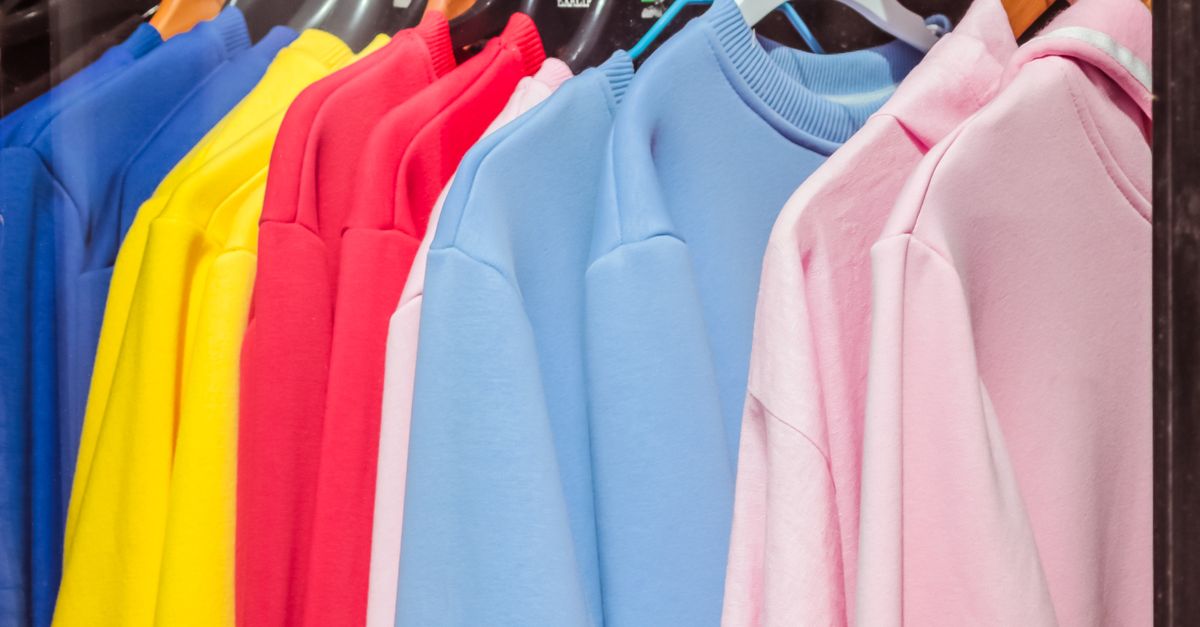
In recent years, the fashion industry has come under heightened examination for its environmental footprint and ethical standards, prompting many brands to adopt more sustainable approaches that highlight eco-conscious design, responsible labor practices, and material reuse. Below, we explore the companies leading the charge toward a more sustainable future in fashion.
Patagonia
Patagonia has long been a frontrunner in sustainable fashion. This outdoor clothing brand is known for its environmental activism and commitment to sustainability. Patagonia uses organic cotton, recycled materials, and implements a take-back program for recycling worn-out garments. The company’s Worn Wear initiative champions the idea of extending the life of products, allowing consumers to buy and trade used items. Furthermore, Patagonia donates a portion of its profits to environmental organizations, reinforcing its commitment to the planet.
Everlane
Everlane has established itself as a frontrunner in ethical sourcing and transparency, emphasizing a commitment to “radical transparency” that allows consumers to clearly understand the production costs behind each garment. The brand collaborates with ethical factories worldwide that ensure fair wages and uphold safe working environments. It incorporates sustainable materials such as organic cotton and recycled polyester, while steadily expanding its carbon-neutral shipping options. Everlane also fulfilled its pledge to eliminate the use of new plastic by 2021, achieving this milestone through its ReNew collection.
Stella McCartney
As a luxury brand, Stella McCartney demonstrates that style can remain premium while embracing sustainability; the brand consistently avoids fur and leather, selecting ethically sourced, eco-conscious substitutes instead. It incorporates organic and recycled materials throughout its creations, including Econyl, a regenerated nylon derived from reclaimed waste. Stella McCartney’s commitment to sustainable fashion has garnered recognition and established a benchmark that many other luxury labels now strive to meet.
H&M Conscious
H&M, a global fast-fashion retailer, has introduced the Conscious collection, a line crafted with recycled, organic, or sustainably sourced materials. This collection forms a key component of H&M’s broader goal of becoming climate positive by 2040. The brand also promotes its garment recycling program, which invites customers to drop off unwanted clothing for reuse or recycling. Moreover, H&M’s commitment to circular fashion seeks to cut waste by implementing inventive design practices and production methods.
Nike’s Move to Zero
Nike has embarked on the “Move to Zero” journey, with an aim to achieve zero carbon and zero waste. By incorporating sustainable materials like Flyleather—made with at least 50% recycled natural leather fiber—and recycling waste from production into new materials, Nike is taking substantial steps toward sustainability. Their efforts include reducing their carbon footprint and implementing renewable energy in manufacturing processes as part of their larger mission.
Eileen Fisher
Eileen Fisher’s namesake brand demonstrates a strong dedication to sustainability, a commitment reflected in efforts such as the Vision2020 framework, which sets out objectives for circular manufacturing and reducing waste. The brand promotes Slow Fashion by highlighting durability over excess and urging consumers to invest in long-lasting pieces. Through Fisher Found, Eileen Fisher’s take-back initiative, gently worn garments are collected, repurposed, or resold, extending the lifespan of each fashion item.
Renewal
Reformation embodies a modern, sustainable aesthetic, delivering fashionable dresses and relaxed apparel crafted with eco-conscious methods. The brand tracks every garment’s environmental impact, covering elements like water consumption and carbon output, and openly shares these insights with shoppers. Reformation remains dedicated to sustainability throughout design and distribution, employing Deadstock materials and operating eco-factories engineered to keep environmental footprints low.
These brands reflect a fast‑expanding segment of the fashion world that blends consumer expectations with environmental awareness and ethical commitment, and as conversations about sustainability gain momentum, more companies are expected to adjust their operations to embrace comparable principles. The rise of these brands signals an encouraging move toward a more conscientious and sustainable future for fashion, and the path forged by these pioneers stands as a guiding light for what can be achieved when responsibility and innovation converge, motivating both consumers and industry counterparts across the globe.