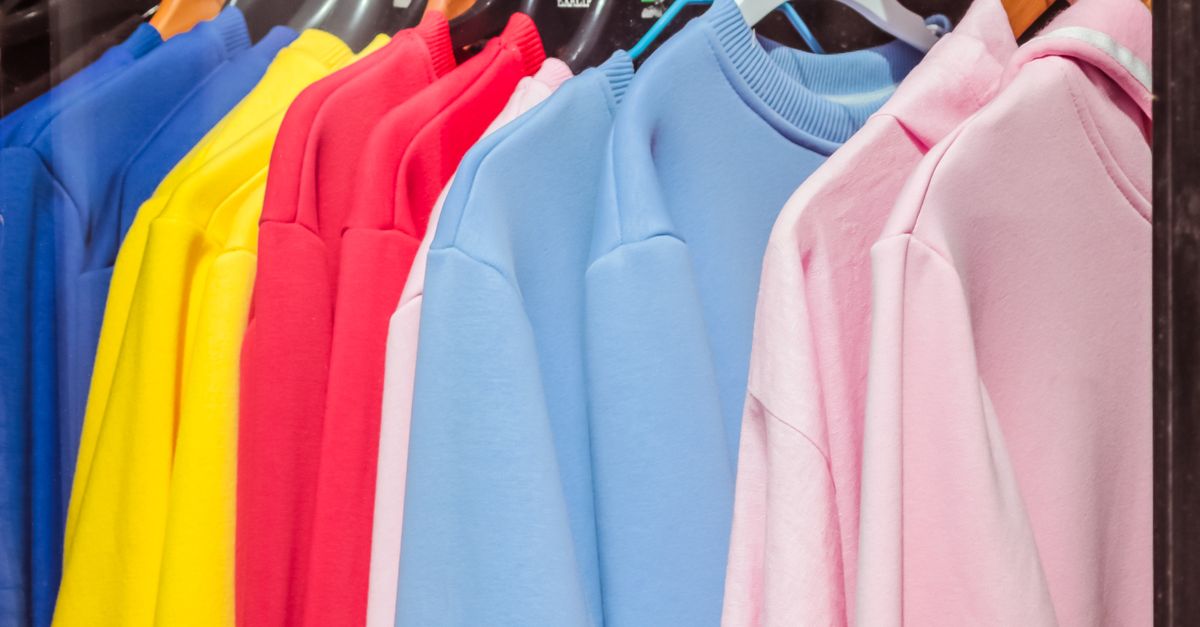
In recent years, the fashion industry has come under heightened examination for its environmental footprint and ethical standards, prompting many brands to adopt more sustainable approaches that highlight eco-conscious design, responsible labor practices, and material reuse. Below, we explore the companies leading the charge toward a more sustainable future in fashion.
Patagonia
Patagonia has long been a frontrunner in sustainable fashion. This outdoor clothing brand is known for its environmental activism and commitment to sustainability. Patagonia uses organic cotton, recycled materials, and implements a take-back program for recycling worn-out garments. The company’s Worn Wear initiative champions the idea of extending the life of products, allowing consumers to buy and trade used items. Furthermore, Patagonia donates a portion of its profits to environmental organizations, reinforcing its commitment to the planet.
Everlane
Everlane has positioned itself as a leader in transparency and ethical sourcing. The brand prioritizes “radical transparency,” offering consumers a clear view of the costs involved in producing each piece of clothing. Everlane partners with ethical factories around the world that pay fair wages and maintain safe working conditions. They use sustainable materials like organic cotton, recycled polyester, and are increasing the percentage of carbon-neutral shipping options. Everlane’s commitment extends to using zero new plastic by 2021, a goal they achieved through their ReNew collection.
Stella McCartney
As a luxury brand, Stella McCartney exemplifies that fashion can be both high-end and sustainable. The brand is stringent in its avoidance of fur and leather, opting instead for ethically sourced and eco-friendly alternatives. They integrate organic and recycled materials into their designs, such as Econyl, a regenerated nylon from recycled waste. Stella McCartney’s dedication to sustainable fashion has earned accolades and set a standard for other luxury brands to follow.
H&M Conscious
H&M, a global fast-fashion retailer, has introduced the Conscious collection, a line crafted with recycled, organic, or sustainably sourced materials. This collection forms a key component of H&M’s broader goal of becoming climate positive by 2040. The brand also promotes its garment recycling program, which invites customers to drop off unwanted clothing for reuse or recycling. Moreover, H&M’s commitment to circular fashion seeks to cut waste by implementing inventive design practices and production methods.
Nike’s Move to Zero
Nike has begun its Move to Zero initiative, aiming to reach zero carbon emissions and eliminate waste, and it advances this mission by using sustainable materials such as Flyleather, which is crafted with at least 50% recycled natural leather fiber, while also transforming production scraps into new resources, meaning the company is making significant progress toward sustainability as it lowers its carbon footprint and adopts renewable energy across its manufacturing processes as part of its broader vision.
Eileen Fisher
Eileen Fisher’s namesake brand demonstrates a strong dedication to sustainability, a commitment reflected in efforts such as the Vision2020 framework, which sets out objectives for circular manufacturing and reducing waste. The brand promotes Slow Fashion by highlighting durability over excess and urging consumers to invest in long-lasting pieces. Through Fisher Found, Eileen Fisher’s take-back initiative, gently worn garments are collected, repurposed, or resold, extending the lifespan of each fashion item.
Reformation
Reformation embodies a modern, sustainable aesthetic, delivering fashionable dresses and relaxed apparel crafted with eco-conscious methods. The brand tracks every garment’s environmental impact, covering elements like water consumption and carbon output, and openly shares these insights with shoppers. Reformation remains dedicated to sustainability throughout design and distribution, employing Deadstock materials and operating eco-factories engineered to keep environmental footprints low.
These brands reflect a fast‑expanding segment of the fashion world that blends consumer expectations with environmental awareness and ethical commitment, and as conversations about sustainability gain momentum, more companies are expected to adjust their operations to embrace comparable principles. The rise of these brands signals an encouraging move toward a more conscientious and sustainable future for fashion, and the path forged by these pioneers stands as a guiding light for what can be achieved when responsibility and innovation converge, motivating both consumers and industry counterparts across the globe.