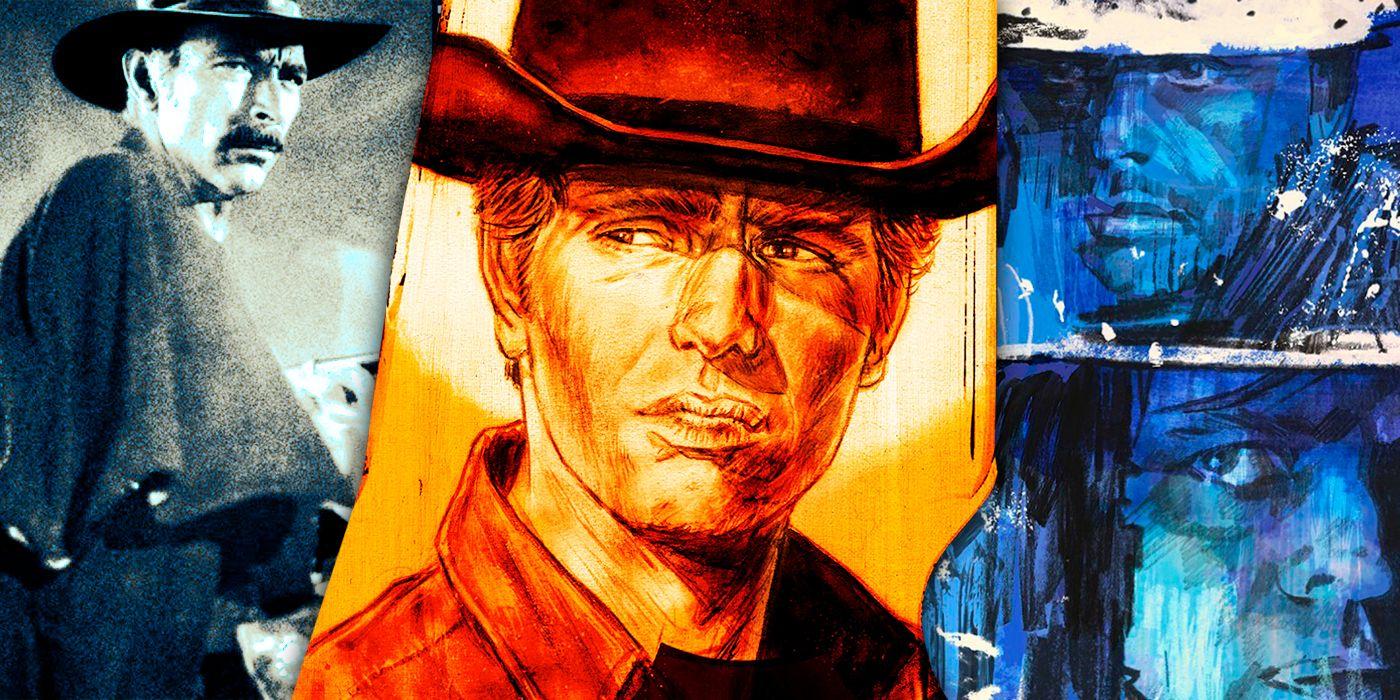
The Western film genre is defined by wide-open landscapes, solitary antiheroes, tense standoffs, and stark morality. Yet, few films have so thoroughly reshaped and embodied the genre as The Good, the Bad and the Ugly (1966). Directed by Sergio Leone and powered by Ennio Morricone’s iconic score, this film has not only achieved cult status but redefined the very tenets of Western storytelling for generations worldwide. Examining its narrative architecture, aesthetic techniques, cultural influence, and ongoing legacy reveals why it is often considered the ultimate Western.
A Groundbreaking Method for Narrative Creation
At its heart, the movie’s brilliance stems from Sergio Leone’s audacious challenge to conventional character molds. In this narrative, the distinctions between good and evil are masterfully obscured. The three main figures—Blondie (the Good), Angel Eyes (the Bad), and Tuco (the Ugly)—do not merely stand as stark moral contrasts, but rather as intricate, imperfect, and unpredictable personalities. None of them personify the archetypal virtuous cowboy or the unequivocally wicked outlaw seen in previous Westerns. Instead, each character is driven by their primal urge to survive, their avarice, and their distinct personal principles.
Leone structures the plot around a treasure hunt during the American Civil War, using the larger conflict as a backdrop rather than the focal point. This enables the director to spotlight the personal journeys and transformations of the central characters. The narrative interweaves their motivations and allegiances, culminating in a legendary three-way standoff—a set piece now imitated countless times across cinema.
Visual Storytelling and Iconic Cinematography
Leone’s visual approach was groundbreaking for his era. The filmmaker’s technique of contrasting intense close-ups with expansive landscape panoramas generates a distinctive experiential tension within the movie. Cinematographer Tonino Delli Colli utilizes natural illumination to highlight the dust, perspiration, and ruggedness etched onto every character’s face, thereby boosting realism and simultaneously fostering a mythic quality.
Perhaps the movie’s most renowned visual segment is its finale at Sad Hill Cemetery. With swift cuts, changing viewpoints, and an agonizingly extended quiet, Leone crafts an almost unbearable tension. The interplay of gazes and gestures preceding the gunshots isn’t just dramatic flair; it’s a manifestation of psychological combat, forever reshaping how cinematic shootouts are envisioned.
Rewriting the Soundscape: Ennio Morricone’s Score
If Leone rewrote the visual language of Westerns, Ennio Morricone redefined their soundscape. The film’s main theme, characterized by coyote-like howls, haunting whistles, and unorthodox instrumentation, is one of the most recognizable scores ever composed. The music is not background; it functions as a narrative force, amplifying emotion, defining character, and at times even punctuating the action with a kind of operatic grandeur.
Morricone’s score for each main character—a whistle for Blondie, a flute for Angel Eyes, and human voices for Tuco—serves as auditory leitmotifs, enriching their presence and internal worlds without the need for expository dialogue. The partnership between director and composer in this film set an enduring benchmark for the integration of music and cinema.
Ethical Complexity and the Frontier Legend
Most previous Western movies glorified the frontier, portraying the West as a setting where virtue could overcome wickedness in an untamed landscape. Leone’s movie subverts this notion, depicting the Union and Confederate forces not as exemplars of righteousness or depravity, but as organizations prone to irrational brutality and dishonesty. The pointlessness and disorder of conflict are ever-present, making the quest for riches simultaneously ludicrous and profound.
The complex morality of the main trio exposes the thin line between good and bad when survival and greed rule. This ambiguity creates a more authentic reflection of the human condition, encouraging audiences to question black-and-white worldviews and the simplistic heroics associated with classic Westerns. The American West in Leone’s hands becomes a metaphor for life’s randomness, danger, and ambiguity.
Impact and Emulation: Establishing the Benchmark
The movie’s impact extends beyond its category. Filmmakers like Quentin Tarantino, Martin Scorsese, and the Coen Brothers have acknowledged its foundational role. The “Mexican standoff”—made famous by the graveyard finale—is now a worldwide cinematic symbol for suspense, deception, and fluctuating authority.
In addition, the movie spawned the “spaghetti Western” subgenre, influencing numerous European and American works that embraced Leone’s distinctive stylistic and thematic elements. The raw authenticity, anti-heroic figures, and intricate moral dilemmas became defining characteristics, ultimately permeating American neo-Westerns, reinterpreted narratives, and even diverse genres, ranging from science fiction to graphic novels.
On a technical front, Leone’s pioneering editing techniques, his utilization of the widescreen Techniscope format, and his groundbreaking integration of musical scores established the foundation for contemporary action filmmaking, shaping the editing pace and audio engineering found in today’s major motion pictures.
An enduring cinematic masterpiece
Multiple artistic elements intertwine within The Good, the Bad and the Ugly. The movie’s complex storyline, deep character portrayals, stunning visuals, and innovative sound design collectively forge a complete cinematic journey. Its exploration of aggression, ethics, and destiny’s capriciousness extends beyond its Western setting, providing an enduring reflection on humanity and dominance.
Through continuous innovation and bold narrative, Leone’s magnum opus resists succumbing to mere nostalgia. Rather, it persists as a foundational work—one that consistently provokes thought, delights, and motivates. With every new generation that rediscovers its gritty confrontations and profound inquiries, the movie stands as more than just a zenith of Western filmmaking; it is a pivotal moment in the universal lexicon of cinema itself.