Adaptive fashion has grown into a swiftly rising area within the fashion industry, developed to support individuals living with disabilities or physical limitations. This innovative design approach seeks to combine style, ease, and functional practicality while addressing each wearer’s unique needs. Characterized by its focus on accessibility, inclusivity, and carefully engineered details, adaptive fashion makes getting dressed easier, safer, and more dignified for people experiencing mobility challenges.
The Rising Significance of Adaptive Fashion
As societies worldwide place a stronger emphasis on inclusivity, a rising awareness of the diverse needs within communities continues to emerge. According to the World Health Organization, more than one billion people—approximately 15% of the global population—experience some form of disability. This sizable demographic has often been overlooked by mainstream fashion brands, leading to restricted clothing options and persistent dissatisfaction.
Adaptive fashion aims to fill this gap by offering solutions that enhance the everyday lives of people with disabilities. The market potential for adaptive clothing is significant, with a 2017 report by Coresight Research estimating that this segment could be worth around $334 billion by 2022. This opportunity has sparked interest from both niche adaptive brands and large, established retailers looking to expand their offerings.
Key Features of Adaptive Fashion
Adaptive clothing typically features carefully crafted design elements intended to accommodate a range of physical limitations. Among these features are:
Sensory-Friendly Materials: For individuals with sensory processing disorders, soft, seamless, and tag-free fabrics are commonly chosen as they help minimize discomfort and reduce irritation.
Magnetic Closures and Velcro: These offer an easier, low-effort way to fasten clothing compared with traditional buttons or zippers, delivering comfort and practical convenience for individuals who have reduced dexterity or limited motor control.
Adjustable Fits: Apparel featuring customizable waistlines, hems, and sleeve lengths can comfortably support shifting body measurements, prosthetic components, or medical equipment.
Sit/Stand Functionality: Created with wheelchair users at the forefront, these sit-friendly designs provide comfort while maintaining a polished look. Options like knee-length skirts and high-back tops reflect this thoughtful approach.
Illustrative Examples of Adaptive Fashion
As the adaptive fashion movement continues to grow, a number of brands and initiatives are beginning to distinguish themselves:
Tommy Hilfiger Adaptive: In 2016, Tommy Hilfiger distinguished itself as a pioneer by launching a clothing collection crafted for children with disabilities, eventually expanding it to include selections for adults. The line incorporates one-hand zippers, magnetic closures, and adjustable hems.
Zappos Adaptive: The online retailer Zappos introduced Zappos Adaptive as a dedicated space that delivers an extensive selection of adaptive apparel and footwear, designed to enhance autonomy and everyday comfort for individuals with disabilities.
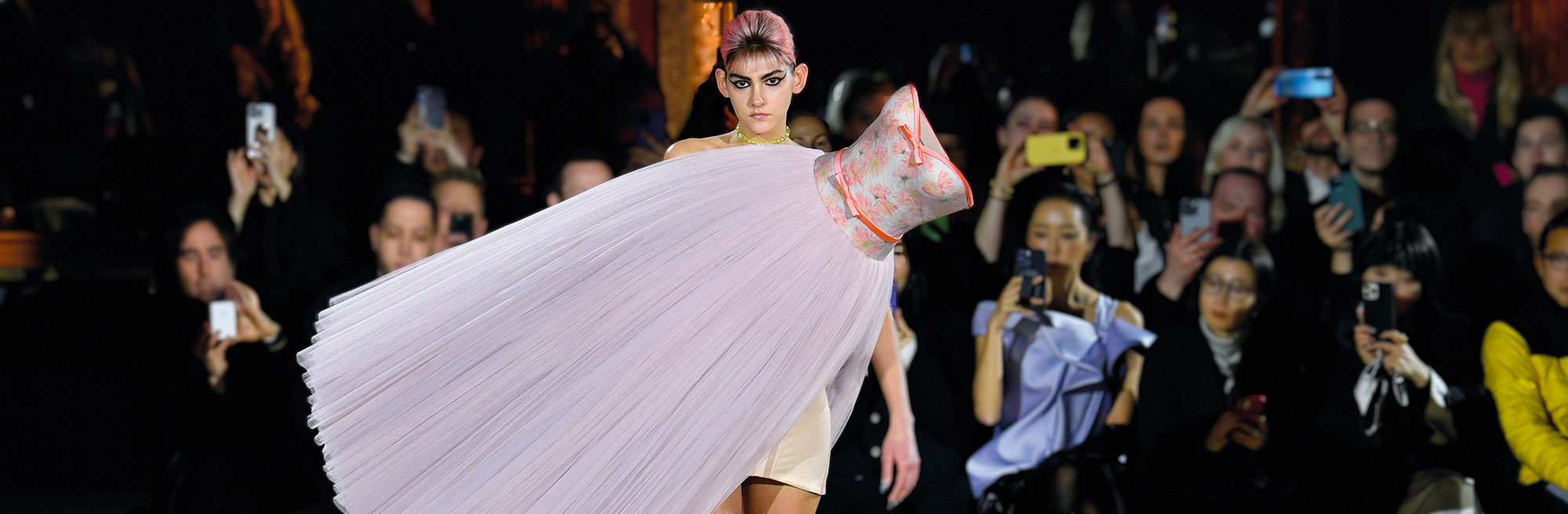
Runway of Dreams Foundation: This nonprofit organization promotes and collaborates with designers to increase the availability of adaptive apparel. It also hosts runway shows to raise awareness and celebrate adaptive fashion.
The Broader Impact of Adaptive Fashion
Adaptive fashion isn’t just about clothing—it’s a statement on inclusivity and empowerment. By acknowledging and embracing the needs of a previously marginalized community, adaptive fashion is helping to shift societal perceptions of disability. This movement encourages people to focus on ability rather than limitation, fostering a more inclusive culture within the fashion industry and beyond.
By acknowledging how adaptive fashion can reshape everyday style, more brands are taking action to make sure everyone can experience the confidence and self expression that clothing offers, no matter their physical abilities. This movement broadens the fashion world and improves life for many, underscoring the essential blend of creativity, innovation, and empathy within the industry.