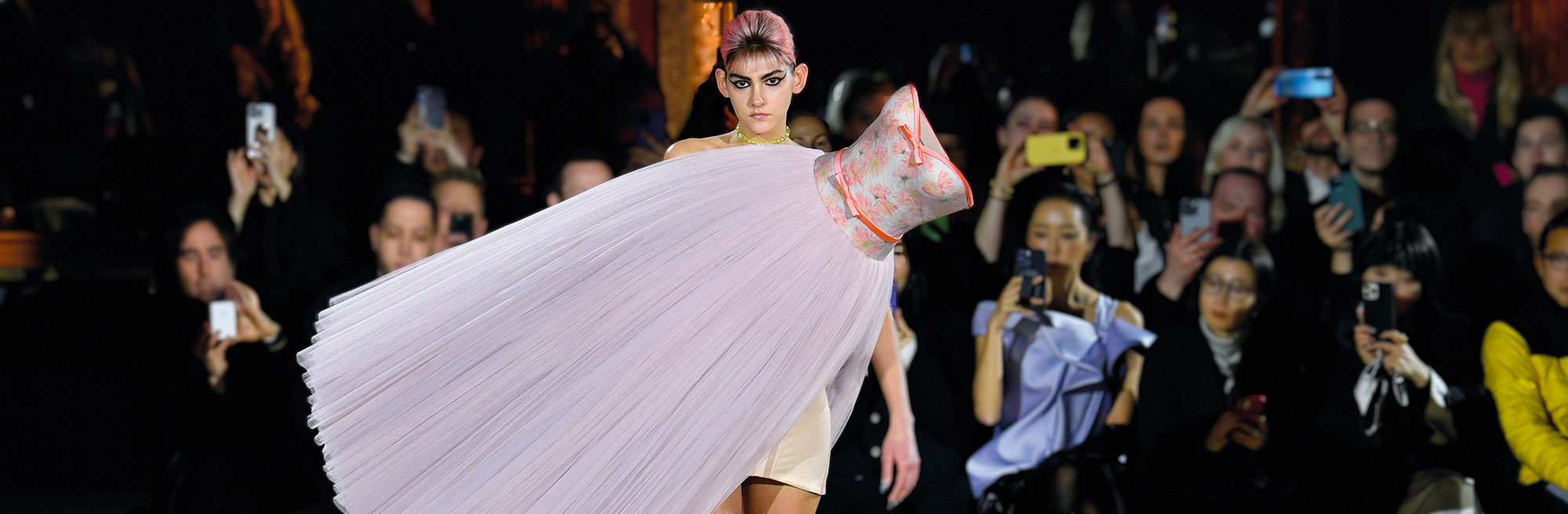
Conceptual fashion transcends traditional clothing design, focusing on ideas and concepts that provoke thought beyond the typical aesthetic appeal. It challenges the norms of fashion, encouraging both designers and consumers to interact with clothing as a form of intellectual expression and commentary. Through its emphasis on artistic narratives and philosophical exploration, conceptual fashion invites us to reconsider the role of clothing in our lives.
The Origins of Conceptual Fashion
Emerging from the avant-garde movements of the 20th century, conceptual fashion arose from a wider cultural push to confront conventional norms, with designers such as Yohji Yamamoto, Rei Kawakubo of Comme des Garçons, and Martin Margiela expanding boundaries by rethinking established notions of beauty and the ordinary, their creations frequently merging artistic expression with fashion and turning each runway presentation into a showcase of concepts rather than a simple display of garments.
The Underlying Principles of Conceptual Fashion
At its core, conceptual fashion is rooted in the idea that clothing can function as a vehicle for expressing intricate concepts and sparking meaningful conversation, often addressing themes like identity, humanity’s connection to the environment, gender, and technology. By weaving these subjects into their creations, conceptual designers elicit responses and shape a space where fashion evolves into an intellectual endeavor.
Impact on the Fashion Industry
Conceptual fashion has significant impact on the broader industry by pushing creative boundaries and inspiring innovation. It has led to a reimagining of materials, silhouettes, and design processes. For instance, Hussein Chalayan’s exploration of technology in fashion resulted in groundbreaking designs that incorporate elements like mechanical movement and transformation.
Moreover, conceptual fashion often questions the relationship between consumerism and individuality, encouraging a more sustainable approach to fashion where the purpose of clothing extends beyond the superficial. Designers in this realm frequently use recycled materials or engage in practices that emphasize sustainability.
Case Studies in Conceptual Fashion
Consider the work of Iris van Herpen, whose designs marry cutting-edge technology with traditional craftsmanship. Her collections often feature intricate 3D-printed structures that defy conventional tailoring, illustrating the harmony between technology and artisanal skill.
Another prominent example is Alexander McQueen, whose poignant runway shows were a blend of artistic performance and fashion, addressing themes such as Victorian culture and the cycle of life and death. His work consistently pushed the psychological and emotional boundaries of what fashion could convey.
The Role of Conceptual Fashion in Modern Society
In today’s world, where consumer habits are shifting towards more meaningful consumption, conceptual fashion plays a pivotal role. It encourages a deeper engagement with clothing, urging individuals to consider their wardrobes as reflective of personal beliefs and broader societal issues. The pandemic era has further catalyzed this movement, as designers adapt to changing dynamics and focus on curating experiences that resonate on a profound, human level.
Future Directions of Conceptual Fashion
As technology evolves, so does the potential of conceptual fashion. The integration of virtual reality, augmented reality, and blockchain opens new avenues for expression and interaction. Designers are increasingly exploring digital fashion, where clothing exists beyond the physical realm, providing infinite possibilities for creativity without the constraints of physical materials.
Conceptual fashion continues to pose important questions—about design, society, and our individual roles within it. This ongoing inquiry ensures that fashion remains an ever-evolving dialogue between creator, wearer, and viewer. Embracing this complexity not only enriches the fashion world but also deepens our understanding of the cultural narratives that shape our realities.