Understanding the Role of Color in Fashion: An In-Depth Examination
The realm of fashion is filled with vibrant hues and intriguing designs, where color stands as a cornerstone of design and consumer impression. From the runways of Paris to everyday street style, color in fashion serves as a powerful language, influencing mood, perception, and purchasing decisions. This article delves into why color is paramount in fashion, backed by research, psychology, and notable case studies.
Color as a Medium for Communication
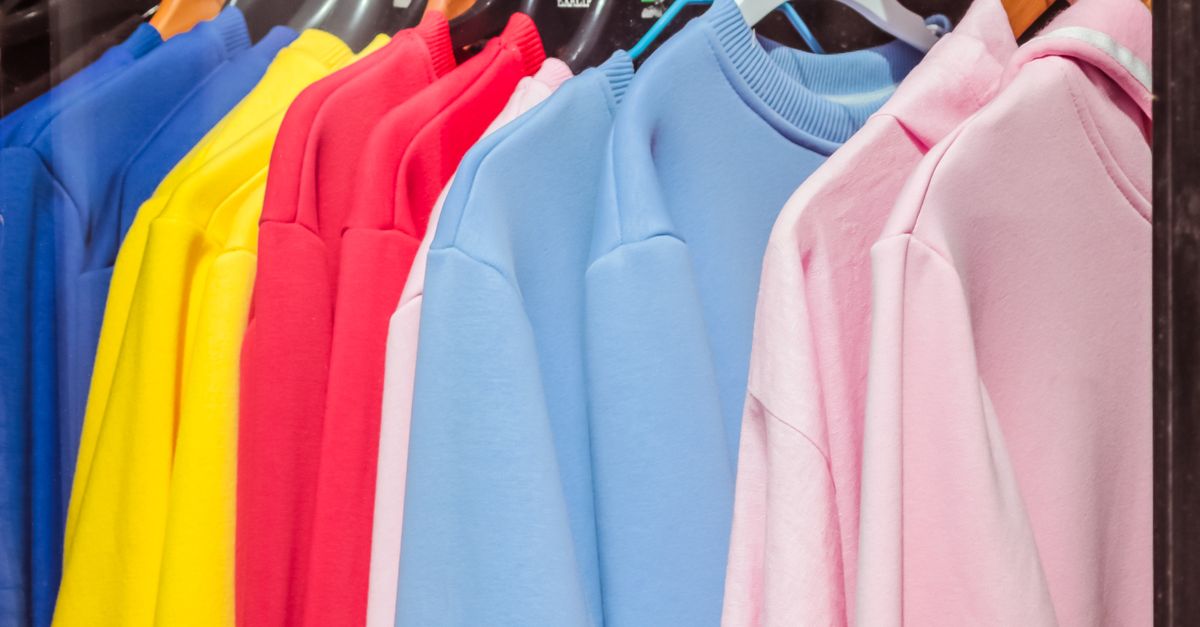
Fashion is about expressing identity, and color is its foremost communicator. Designers use color to evoke emotions and convey messages without using words. For instance, red is often associated with passion and energy, while blue is linked to tranquility and trust. A study published in the Journal of Consumer Research found that people’s reactions to a brand’s colors depend on the perceived appropriateness of the color for the brand. Therefore, understanding the impact of color can allow brands to align their designs with consumer expectations and cultural contexts effectively.
Psychological Effects of Color
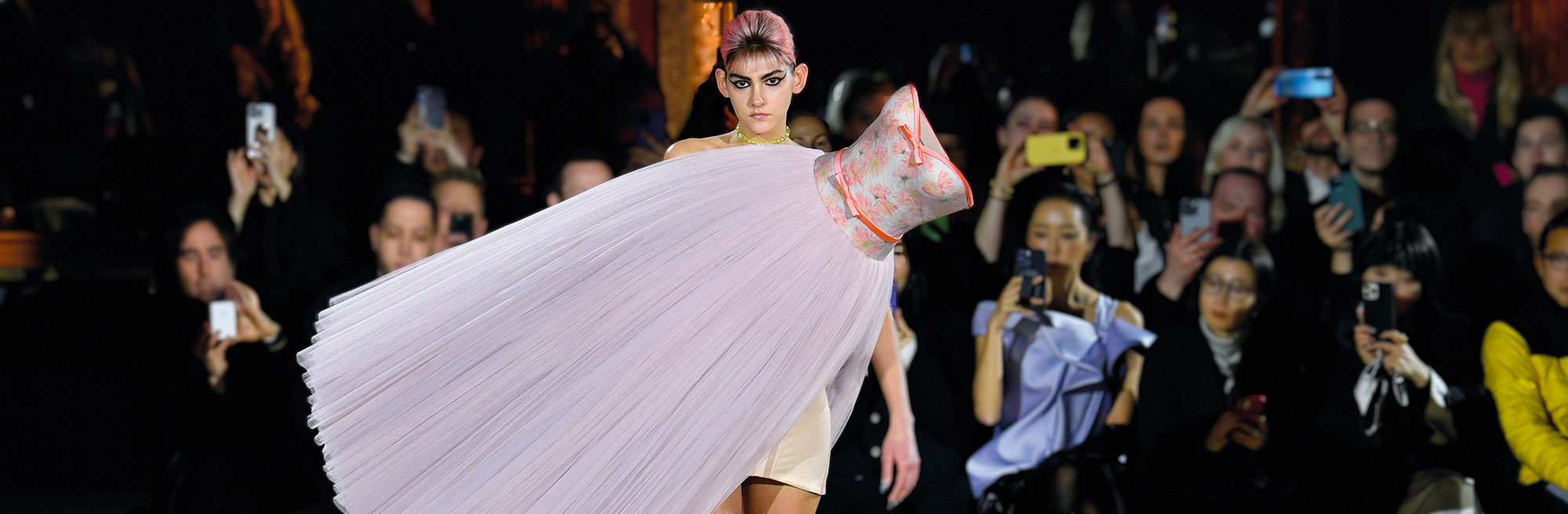
The psychology of color plays a vital role in fashion. Research indicates that wearing certain colors can affect a person’s mood and self-perception. For example, wearing black is often seen as a mark of sophistication or elegance, which is why it is a staple in many wardrobes and dominated events like New York Fashion Week for its timeless quality. Similarly, pastel shades can evoke feelings of calmness and innocence. A survey by the Institute for Color Research revealed that people make subconscious judgments about an environment or product within 90 seconds of initial viewing, with colors accounting for 62-90% of that assessment. This suggests that the right color can make or break a garment’s appeal.
Cultural Significance and Trends
Across cultures, colors carry distinct meanings that shape global fashion trends, with white in Western societies customarily associated with purity in wedding attire, while in many Eastern traditions it signifies mourning; at the same time, fashion designers’ inventive color applications can subtly disrupt cultural expectations and inspire transformation, as seen when the rise of bold, atypical color combinations in the 1960s marked a departure from convention and contributed to the period’s sweeping social shifts.
Fashion weeks worldwide showcase this diversity, and the shades featured at these gatherings frequently mirror global concerns like sustainability, favoring natural hues and greens. The Pantone Color Institute, renowned for predicting the Color of the Year, strongly shapes fashion color schemes, illustrating how a single shade can influence the visual direction of an entire season.
Case Studies: Iconic Uses of Color
Iconic fashion moments are often remembered for their bold or unexpected color choices. In 1997, Princess Diana made a statement with her vibrant blue velvet dress by Jacques Azagury, embodying both elegance and boldness. Another instance is the brand Valentino, renowned for its signature “Valentino red,” a color that became synonymous with the brand’s identity and luxury.
Fashion brands often undertake extensive research into color preferences and trends. A case in point is the collaboration of Pantone and Sephora with their “Color of the Year” makeup collections, which demonstrate how color forecasting directly impacts product development and consumer engagement.
The Science and Strategy Behind Colors
Color theory is an essential tool for designers, who use the color wheel to create harmonious designs. Understanding complementary and contrasting colors allows designers to craft visually appealing garments. Moreover, technology plays a significant role in color application, with digital tools enabling precise color matching and consistency in mass production. This scientific approach ensures that the color effect intended by designers is preserved from sketch to final product.
As fashion evolves, the strategic use of color becomes increasingly sophisticated. Brands are investing in AI-driven analytics to predict color trends, ensuring they remain ahead in a competitive market. These advancements highlight how the amalgamation of art and science in color usage continues to transform fashion.
It’s clear that color in fashion extends far beyond simple visual appeal, emerging as a nuanced fusion of cultural meaning, psychological influence, and scientific accuracy. This intricate interplay highlights color as an essential pillar of fashion design—always shifting, yet ultimately decisive.