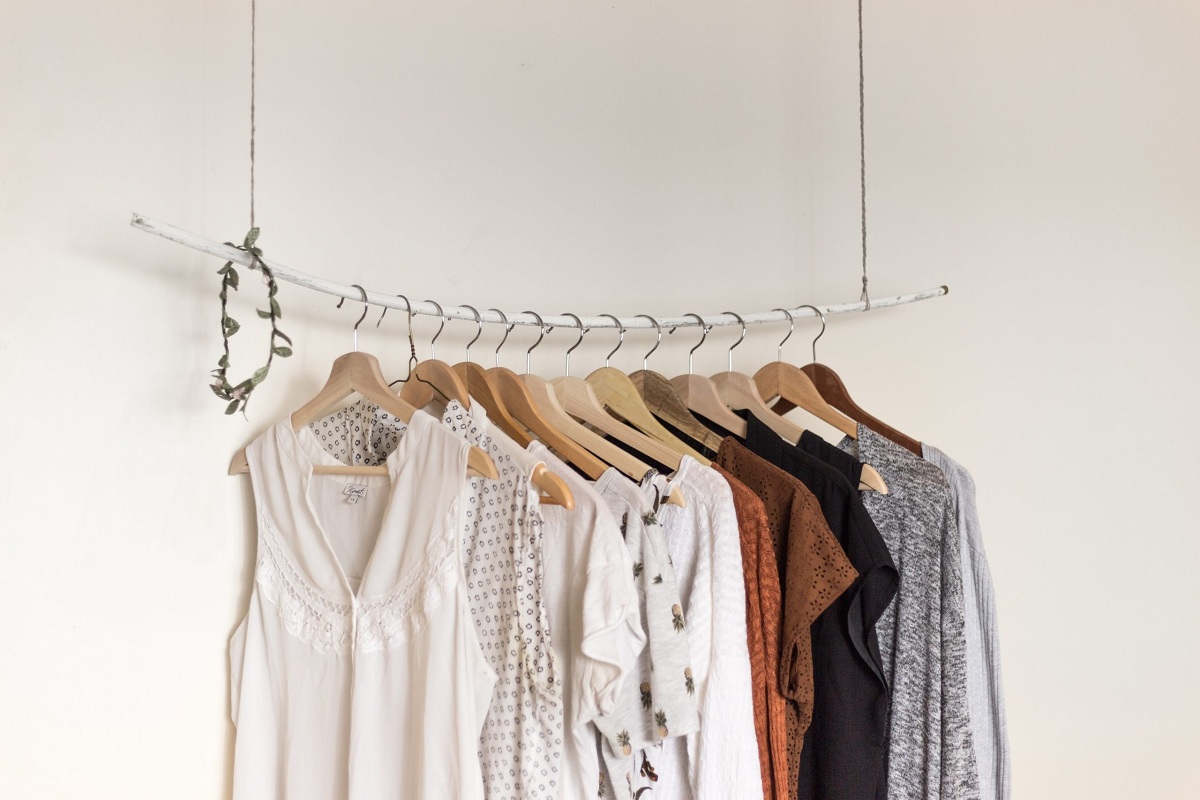
Gender-neutral fashion, often referred to as unisex or non-binary fashion, marks a transformative evolution in the way contemporary society views and wears clothing by advocating styles that move beyond traditional male or female boundaries, turning this shift into not just a passing trend but a broader cultural push toward inclusivity and personal expression that mirrors changing perspectives on gender identity.
Background and History
Historically, fashion has been largely dictated by strict gender norms. From the corsets and dresses worn by women in the Victorian era to the tailored suits that defined male attire, clothing served as a visual marker of gender identity. However, the origins of unisex fashion can be traced back to the mid-20th century, when societal norms began to loosen. The 1960s saw the emergence of the counterculture movement, which questioned traditional gender roles and introduced new, more fluid styles. Icons like David Bowie and Patti Smith played pivotal roles in challenging gender norms with their androgynous styles.
Key Features of Gender-Neutral Fashion
Gender-neutral fashion goes beyond simply blending attire traditionally tagged for men or women, instead embracing styles crafted to avoid emphasizing traits linked to any particular gender, which may involve the following:
1. Silhouettes: Instead of form-fitting clothes that emphasize curves or muscularity, gender-neutral fashion often employs looser, more relaxed silhouettes that prioritize comfort and freedom of movement.
2. Colors and Patterns: This fashion category favors neutral color palettes like blacks, whites, and grays, as well as earth tones that are universally flattering. Bold patterns, which might traditionally be assigned a gender, are often used in innovative ways to transcend these norms.
3. Versatility: Apparel crafted for various uses—from reversible jackets to garments with adjustable features—emphasizes how gender-neutral fashion celebrates flexibility and inventive design.
Exploring Notable Case Studies in Gender-Neutral Fashion
Some fashion brands are now embracing gender-neutral collections within their lines, signaling an increasing interest in non-binary choices.
1. Telfar: Known for its “Shopping Bag,” which has become a symbol of accessible luxury, Telfar describes itself as “Not for You, For Everyone.” The brand consistently challenges gender norms with its designs and marketing.
2. Rad Hourani: This designer’s unisex haute couture transcends traditional fashion boundaries. Hourani’s collections are driven by the idea that fashion should be free from gender constraints.
3. Zara’s Ungendered Collection: In 2016, Zara launched Ungendered, a collection that blurs the line between traditionally male and female clothing. The collection includes essentials such as sweatshirts, jeans, and t-shirts in neutral tones.
The Influence on Culture
Gender-neutral fashion plays an increasingly influential role in discussions about gender identity and representation, and as public understanding of non-binary and transgender experiences expands, it enables people to express their identities with greater authenticity, free from the constraints of conventional gender norms; at the same time, its rising visibility disrupts binary-driven marketing approaches, encouraging retailers to reconsider the way they categorize and showcase their products.
Future Trends
As society moves further toward greater inclusivity, gender-neutral fashion is expected to gain even more significance and widespread appeal. The fashion world may witness increased partnerships between designers and activists, resulting in collections that fuse style with purposeful social commentary. Moreover, as sustainability becomes an even more pressing issue, emphasizing adaptable, enduring garments that go beyond gender is likely to fit naturally with environmentally conscious fashion approaches.
The rich tapestry of gender-neutral fashion reveals a dynamic interplay between personal freedom, societal norms, and cultural evolution. Viewing fashion through this lens underscores the profound impact clothing has not only on self-expression but also on wider societal acceptance and change.