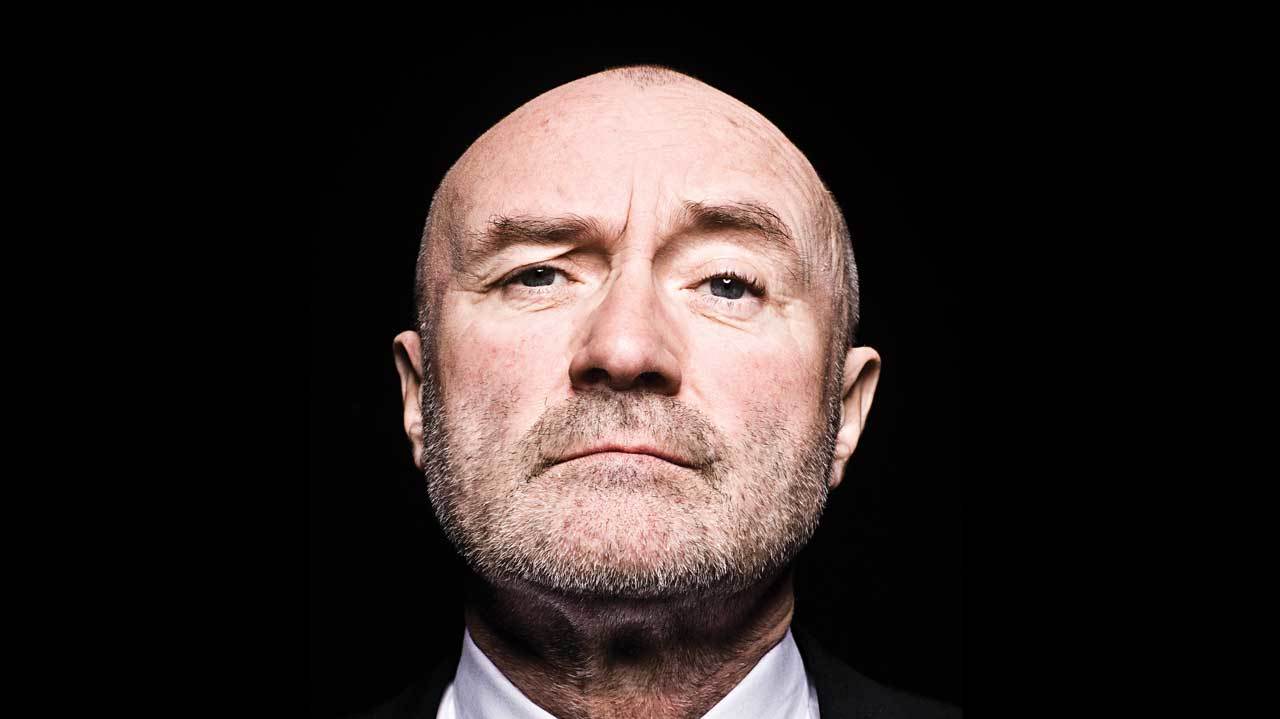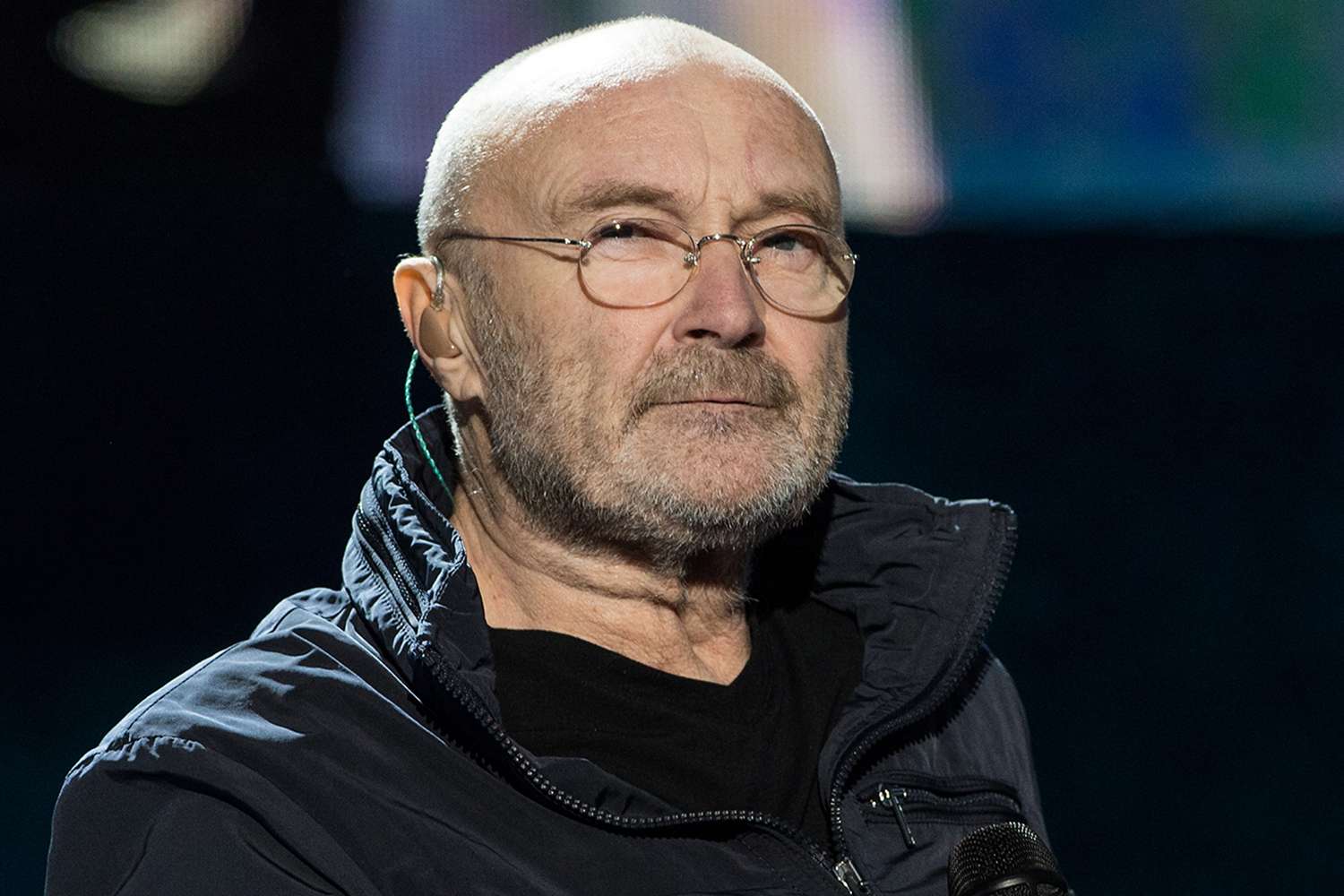
After spending many years at the forefront of global music, Phil Collins now faces a quieter and more demanding period marked by health struggles, introspection, and appreciation, and as he speaks openly about his situation, the musician provides a sincere perspective on endurance, responsibility, and the significance of a life molded by artistic expression.
Phil Collins, widely regarded as one of the United Kingdom’s most influential musical figures, has candidly discussed the intricate health challenges that have shaped his recent years. As he nears his 75th birthday, the former Genesis frontman reflected on a time when several medical complications overlapped, significantly reshaping his everyday routines. His comments, shared during a conversation with British broadcaster Zoe Ball for the BBC podcast series Eras, highlight both the physical strain of these difficulties and the emotional perspective gained in their aftermath.
Collins explained that his current condition requires continuous professional support, including a live-in nurse who assists him around the clock. This level of care, he noted, ensures that medications are taken correctly and that his mobility challenges are safely managed. While he remains able to walk, he does so with assistance, a reality shaped by years of knee problems and repeated surgical interventions. According to Collins, he has undergone five operations on his knee alone, each contributing incrementally to his present limitations.
A convergence of medical challenges
The musician characterized the past few years as a period in which multiple health complications emerged one after another, accelerating in severity. What initially appeared to be orthopedic troubles eventually developed into broader systemic issues. While in the hospital, Collins contracted Covid-19, an illness that placed additional stress on his already weakened condition. Around the same time, he also faced kidney difficulties that demanded prolonged medical care.
Reflecting on these complications, Collins acknowledged lifestyle factors that may have contributed to his condition. He spoke frankly about alcohol consumption, explaining that while he was never one for excessive late-night drinking, his daytime habits eventually took their toll. Over time, he said, these choices caught up with him, leading to months spent in hospital and a prolonged recovery process.
Despite the gravity of these experiences, Collins did not frame them with drama or self-pity. Instead, he described them as a series of events that accumulated over time, underscoring how the physical demands of a long career, combined with personal habits, can have lasting consequences. His account offered a rare, unfiltered perspective from an artist whose public image has often been associated with stamina, precision, and control.
The physical cost of a lifetime in music
Long before these most recent hospital stays, Collins had already been contending with ailments tied to decades of performing, and the physical demands of his long career continued to take their toll. Celebrated as a singer and songwriter as well as an adept drummer, he spent years exposed to the intense strain caused by constant repetition and rigorous touring. A 2015 back operation became a pivotal moment, as complications from the surgery led to nerve damage that permanently limited his capacity to play the drums.
Subsequent fractures and a serious fall in 2017 further limited his mobility, ultimately leading him to rely on a cane. By 2021, Collins publicly confirmed that drumming was no longer possible for him, a deeply significant admission given the instrument’s central role in his musical identity. During Genesis’ reunion tour, his son Nic Collins stepped in as drummer, allowing his father to remain on stage as a vocalist while symbolically passing the rhythmic torch to the next generation.
Collins’ final live performance occurred in 2022, marking what is now regarded as the concluding moment of his extraordinary stage career. Although he has voiced hope that his mobility and overall well-being might improve, he has also acknowledged that he may never return to live performing. He indicated that he has come to accept this uncertainty rather than fight against it.
Looking back on an extraordinary career
Even as he discussed his health with candor, Collins repeatedly returned to a sense of appreciation for the life he has lived in music. He described his career as exceptionally varied, noting that it allowed him to explore multiple creative identities: drummer, frontman, solo artist, songwriter, and producer. From progressive rock with Genesis to chart-topping solo albums that defined an era of popular music, Collins’ influence spans decades and genres.
Rather than focusing on accolades or commercial success, Collins emphasized the richness of the journey itself. He suggested that few artists are granted the opportunity to reinvent themselves as often as he did, or to remain relevant across so many phases of the industry. This perspective appeared to ground his reflections, offering balance to the more sobering realities of his health.
The Eras podcast interview, the final installment of the series, was framed not as a farewell but as a thoughtful summation. A televised version of the conversation is set to air on the BBC shortly after his birthday, providing a wider audience with insight into both his professional legacy and his current state of mind.
Family, responsibility and personal development
Beyond music and health, Collins also explored more intimate subjects, especially his experience as a father. Divorced three times, he is the father of five children, among them actress Lily Collins, widely recognized for her starring role in the Netflix series Emily in Paris. When reflecting on the lessons life has offered him, Collins mentioned a sense of responsibility and a wish to make amends for instances in which his choices may have caused hurt.
He acknowledged a part of himself that continues to reflect on how his choices affected those closest to him, especially his children. This sense of reckoning, however, was paired with pride. Collins described his children as resilient and well-adjusted, emphasizing their independence and commitment to their own values. Observing them forge their own paths, he said, has been one of the most rewarding aspects of his life.
This reflection hinted at a change in priorities that typically accompanies growing older and gaining experience, and whereas success had previously been tied to album sales or packed arenas, Collins appeared increasingly devoted to his personal connections and to the qualities of those he helped influence.
Embracing change, strengthening resilience and continuing onward
While uncertainty remains a defining feature of Collins’ current reality, his overall tone was not one of despair. Instead, he conveyed a measured acceptance, coupled with cautious optimism. He expressed hope that continued recovery might allow him to regain strength and independence, even if a return to the stage is unlikely.
This attitude reflects a broader lesson embedded in his story: the importance of adaptation. Just as Collins adapted musically throughout his career, he is now adapting to physical limitations with the same honesty and discipline that once defined his work ethic. The presence of round-the-clock care, while a significant adjustment, has become part of a routine that prioritizes safety and well-being.
By openly recounting these experiences, Collins helps shape a more layered dialogue about aging, wellness, and legacy within the entertainment industry, reminding readers that even highly acclaimed careers carry private burdens and that embracing one’s fragility never lessens accomplishment but rather enriches an already meaningful legacy.
As Phil Collins enters his mid-seventies, his reflections offer a portrait of an artist who has moved beyond performance to contemplation. It is a chapter marked not by applause, but by honesty, responsibility, and an enduring appreciation for a life lived fully, both on and off the stage.