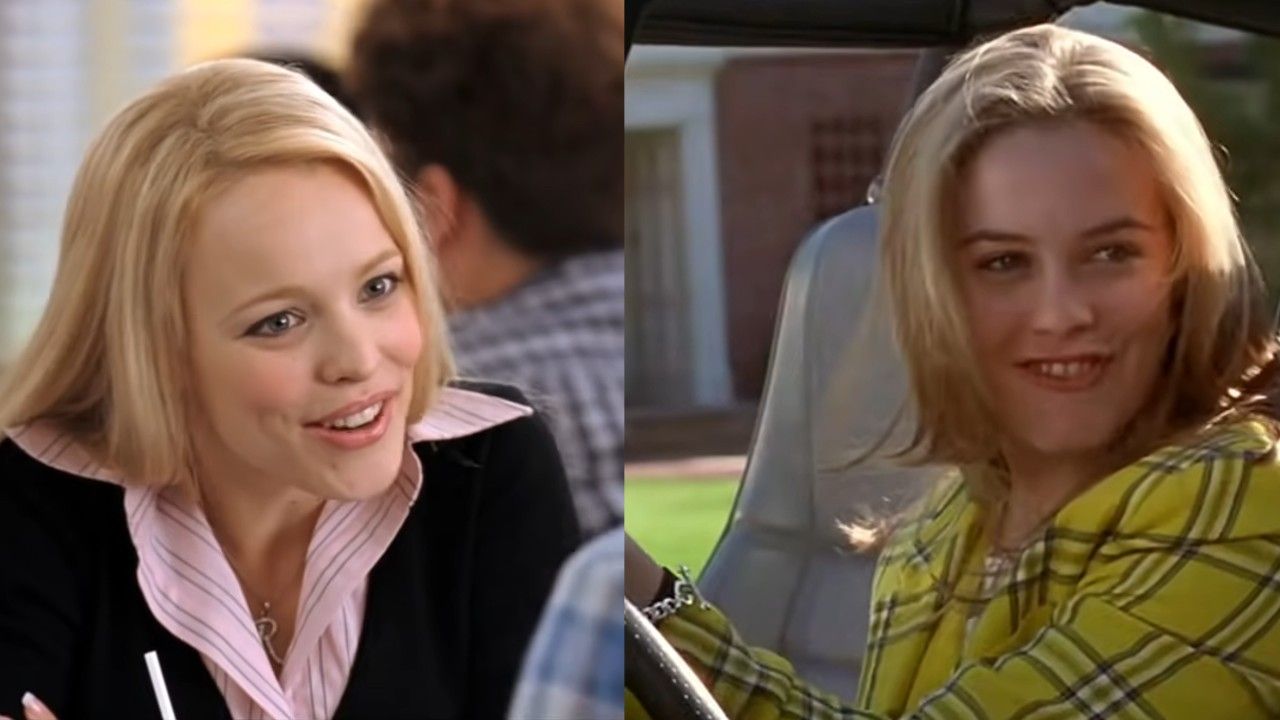
Lindsay Lohan has again become the focus of public interest—not because of a recent movie or controversy—but due to a remarkable fashion statement reminiscent of Cher Horowitz’s iconic wardrobe, the adored character from the 1995 teen hit Clueless. By adopting the unmistakable attire of the fictional Beverly Hills student, Lohan connects with a strong surge of ’90s nostalgia that is presently influencing popular culture and celebrity styles.
Cher Horowitz, played by Alicia Silverstone, emerged as an icon of effortless elegance, with her yellow plaid outfit, tall socks, and a digital wardrobe that left a lasting impression on an entire generation. Almost thirty years on, her fashion sense continues as a cultural touchstone, and Lohan’s tribute not only acknowledges a fashion trend but also brings back a particular style mindset linked to strength, self-assurance, and whimsical chic.
Lohan’s attire, which strongly resembles Cher’s legendary closet, quickly ignited discussions on social media platforms. Both fashion critics and followers applauded the ensemble for its smart design and perfect timing. With nostalgic styles taking over the runways and feeds—from butterfly hair accessories to low-waisted denim—Lohan’s appearance seems like an intentional and considerate decision that connects different eras of fashion.
This fashion move also marks a continued evolution in Lohan’s public image. Once defined by her early 2000s tabloid persona, she has, in recent years, embraced a more strategic approach to fame. With a Netflix film, Falling for Christmas, and several brand partnerships under her belt, Lohan has gradually repositioned herself in the entertainment landscape. Her Cher-inspired ensemble becomes another example of how she is leveraging pop culture’s cyclical nature to her advantage.
The convergence of style, nostalgia, and personal identity is central to this resurgence. By portraying a figure that once epitomized the curated and carefree lifestyle of wealthy teenage girls in the 1990s, Lohan connects with shared nostalgia. For millennials, it serves as a reminder of a time when fashion was daring, expressive, and filled with hope. For younger audiences, it presents a gateway to a look that has inspired many designers and online influencers.
Celebrities often lean into fashion as a tool for narrative control, and Lohan’s timing is telling. In an era when fashion is content and visual references are currency, channeling a beloved character is more than homage—it’s branding. With one look, she ignites a conversation about her past, her present, and where she might be headed next. It repositions her within a space she once dominated: the cultural conversation.
The revival of ’90s fashion is deliberate and aligns with wider cultural trends where older trends are brought back, reused, and given new context. Lohan, who became a well-known figure as a child star in that era, is in a prime position to add genuine appeal to this comeback. In contrast to Gen Z influencers who borrow the style, Lohan experienced it firsthand during her formative years in the media spotlight. This lends an additional depth of authenticity—she is not merely wearing a costume; she is revisiting a period that heavily influenced her public persona.
Historians of fashion frequently observe that the wardrobe selections of well-known individuals serve as expressions of autonomy. Lohan’s recent adoption of notable pop culture symbols indicates an attempt to recover and redefine her influence in the cultural sphere. The focus has shifted from her past as a child actor or gossip column subject. Rather, she is transitioning into the role of a seasoned media persona, skilled in utilizing visual elements to narrate a story and maintain her relevance.
Cher Horowitz’s style might be embellished, yet it’s rooted in assurance and management—qualities that reflect Lohan’s present path. For a person whose life was previously dictated by stories outside her influence, aligning with an emblem of fashion, order, and independence might transcend mere appearance. It may signify a profound connection with transformation.
The action mirrors a widespread trend among celebrities of utilizing nostalgia to build relationships. In a divided digital world, known images serve as a bridge to collective memories. Whether it’s Jennifer Lopez donning her iconic green Versace dress again or Sarah Jessica Parker bringing back the Sex and the City style for And Just Like That…, stars are embracing visual consistency to keep fans interested.
Lohan’s fashion revival sits comfortably within this phenomenon. It demonstrates her understanding of cultural timing and the emotional power of familiar references. In today’s fashion ecosystem, where virality often trumps novelty, nostalgia serves as a reliable strategy for resonance. Her ability to channel an archetype as enduring as Cher Horowitz shows that she is not merely participating in trends but shaping them.
By doing this, Lohan is not merely taking from a cherished character—she’s reaffirming her status within the group of millennial icons. Her persona once symbolized the tumultuous aspects of celebrity life. Today, she seems more concentrated, introspective, and skilled at utilizing visuals that merge the past with the present, creating a sense that is both genuine and aspirational.
As fashion trends keep changing quickly, driven by fast-paced turnover on digital media, Lohan’s Cher-influenced appearance highlights the lasting charm of visual storytelling. Fashion, ultimately, extends beyond attire; it is a form of communication. Through this appearance, Lohan has conveyed a strong message, reaffirming her role as an influential personality who understands how to transform memories into significance.
Whether this marks a sustained commitment to fashion-centric public entries or simply a temporary nod to a film character influential to an entire era, the effect is evident. Lindsay Lohan has reemerged in discussions—not due to disputes, but for her fashion sense, assuredness, and an astute understanding of lasting icons in popular culture.

:max_bytes(150000):strip_icc()/VWH-GettyImages-2168531818-3e0c9a6c46fe445ab049a4daf639baa5.jpg "How To Incorporate Glycolic Acid Into Your Skincare Routine, According To The Experts")