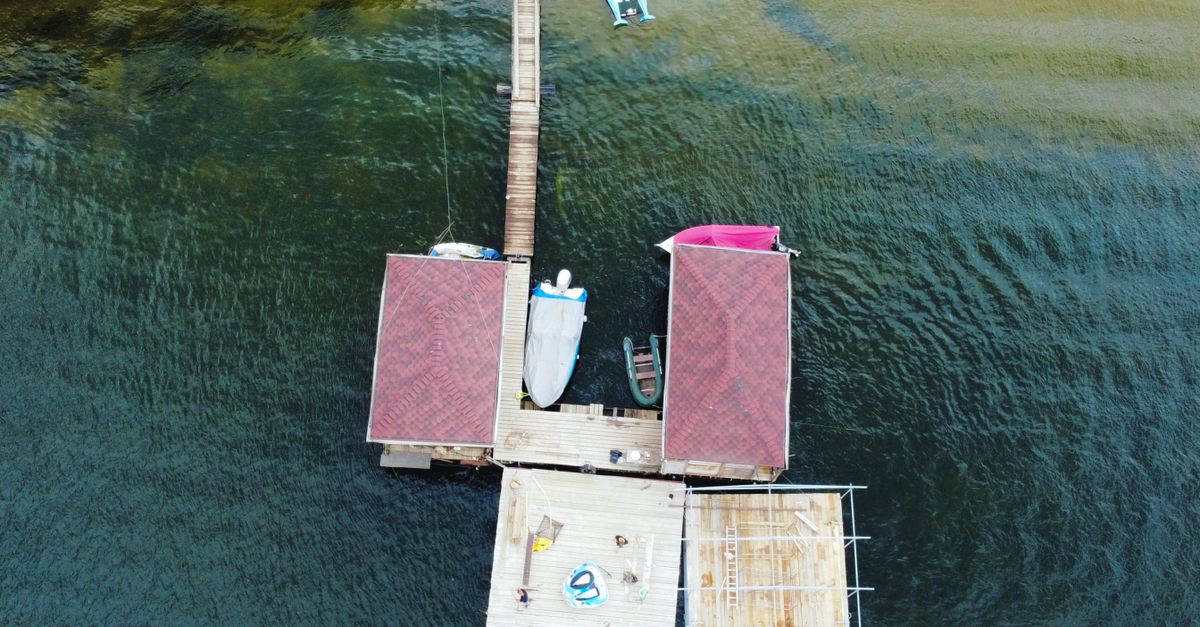
Belize is a small Central American nation endowed with remarkable biodiversity, featuring a coastline that encompasses the approximately 300‑kilometer Belize Barrier Reef Reserve System, wide expanses of mangrove ecosystems, seagrass meadows, and extensive stretches of lowland tropical rainforest. Home to an estimated 400,000–420,000 inhabitants, Belize relies significantly on its marine and terrestrial natural assets, including tourism, fisheries, and agriculture. Corporate social responsibility (CSR) efforts aimed at conserving biodiversity while reinforcing local economic resilience have become vital for safeguarding both the environment and community livelihoods.
Why CSR matters in Belize
Private-sector engagement is essential because:
- Natural assets (reefs, mangroves, forests) directly support tourism and fisheries—primary income sources for many Belizean communities.
- Public budgets alone cannot fund effective protected-area management, enforcement, restoration, and community development.
- CSR can catalyze financing, technical support, and market access for sustainable local enterprises that reduce pressure on ecosystems.
Well-designed CSR aligns corporate risk management and brand value with measurable conservation and socio-economic outcomes.
Notable CSR initiatives and collaborative partnerships
Below are documented frameworks and noteworthy Belize cases that showcase varied CSR strategies and their results.
Turneffe Atoll Trust (mooring buoys, restoration, resort partnerships)
Turneffe Atoll Trust collaborates with dive operators, resorts, and donor partners to fund and deploy mooring buoys that limit anchor-related harm, support coral rehabilitation efforts, and provide training for local guides and boat teams. Resorts offer financial resources and in-kind assistance, while Trust-managed patrols and community outreach help minimize reef impacts and generate guest-focused conservation narratives that enhance the appeal of tourism experiences.
Healthy Reefs for Belize (private-sector coalition for reef monitoring)
Healthy Reefs is a partnership of conservation NGOs, fisheries organizations, and tourism enterprises that finances reef health assessments and public reporting; by directing contributions from the tourism sector toward science-driven management, the coalition generates data that informs targeted CSR efforts such as waste management improvements or stormwater initiatives while enabling companies to show tangible impact through measurable reef indicators.
Community-based fisheries management in Toledo (TIDE and local enterprises)
The Toledo Institute for Development and Environment (TIDE) has worked with communities to establish locally managed marine areas, improve lobster and conch management practices, and diversify incomes through eco-tourism and value-added agriculture. Corporate partners and tourism operators have supported cold-chain equipment, market access, and training, improving earnings while reducing overfishing pressure.
Friends for Conservation and Development and forest-based ecotourism
Groups such as Friends for Conservation and Development collaborate with businesses to bolster community-operated ecotourism lodges, expand guide training, and advance sustainable smallholder initiatives bordering protected areas. These CSR commitments help create jobs and strengthen local stewardship of conservation results while channeling visitor spending directly into community economies.
Debt-for-nature and blue-finance partnerships
Belize’s involvement in global conservation financing mechanisms—including debt swaps and blue-finance structures crafted with conservation groups and investors—demonstrates expansive public–private approaches. These arrangements often channel the resulting fiscal relief toward managing protected areas, supporting sustainable fisheries, and advancing climate resilience initiatives that aid coastal populations and the tourism industry.
Mangrove and seagrass restoration supported by private donors
Multiple tourism operators, beverage and retail firms, along with philanthropic corporate foundations, have backed mangrove nursery initiatives and seagrass recovery work. These ecosystems absorb carbon, defend coastal areas, and nurture young fish populations, while CSR contributions frequently fund labor, nursery supplies, and wages for local communities.
Documented quantifiable impacts
CSR-linked conservation efforts in Belize have produced a range of measurable outcomes when sustained, transparent, and locally led:
- Improved fisheries indicators inside well-enforced local marine reserves, including increased fish abundance and size over multi-year monitoring periods.
- Reduced reef damage in high-traffic dive sites after mooring-buoy programs were implemented.
- New or enhanced livelihoods—ecotourism jobs, guide training, value-added seafood processing—leading to diversified household incomes and reduced dependence on unsustainable extraction.
- Strengthened co-management: local committees participate in decision-making, patrols, and benefit-sharing, improving compliance and long-term stewardship.
Where CSR flows into systematic monitoring and capacity building, ecological gains are more durable and linked to clear socioeconomic benefits.
Key elements of successful CSR in Belize
Successful CSR projects typically reflect several core design elements:
- Community-first design: initiatives shaped alongside local leaders so conservation goals mesh with livelihood needs and cultural practices.
- Long-term funding horizons: multi-year financial backing provided to support enforcement, continuous monitoring, and business development rather than isolated contributions.
- Data-driven interventions: resources directed toward gathering scientific indicators that steer management decisions and verify outcomes.
- Integrated value chains: linking producers with markets—such as tourism businesses sourcing local seafood or crafts, or companies supporting processing and cold storage—to ensure benefits return to community members.
- Transparency and third-party evaluation: independent assessments and open reporting foster confidence and enable wider adoption.
Challenges and risks
CSR in Belize encounters several persistent obstacles:
- Dispersed funding streams and brief project timelines that constrain opportunities for sustained ecological recovery.
- Potential for greenwashing when CSR activities prioritize visibility rather than concrete outcomes or meaningful community gains.
- Information shortfalls: limited long-term monitoring can mask actual environmental results or the equity of social impacts.
- External forces—climate change, hurricanes, and regional overfishing—may erode local progress unless supported by broader policies and financial backing.
Recognizing and designing for these risks improves durability and fairness.
Practical guidance for companies looking to invest in Belize
Companies seeking meaningful CSR impact should:
- Co-design initiatives with community organizations and local authorities to ensure relevance and consent.
- Commit multi-year funding tied to measurable ecological and socioeconomic indicators (e.g., reef health indices, household income changes, employment figures).
- Support capacity building—training for local guides, fishery management, sustainable agriculture, and bookkeeping—so benefits are locally rooted.
- Prioritize interventions that create market linkages (e.g., sourcing seafood from certified community fisheries, promoting community-led tourism) to make outcomes self-sustaining.
- Invest in resilience-building measures—mangrove restoration, stormwater upgrades, climate-adaptive infrastructure—that protect both ecosystems and businesses.
- Use transparent reporting and independent evaluation to avoid reputational risk and to iterate on program design based on evidence.
A policy landscape and partnership framework that strengthens CSR efforts
CSR proves most impactful when it is woven into enabling policy frameworks and broad-based partnerships:
- Working jointly with national agencies (conservation, fisheries, tourism) helps align corporate capabilities with the country’s core management objectives.
- Public‑private financing models and conservation trust funds offer stable, long-term funding streams for managing protected areas.
- Cross‑regional collaboration on shared fisheries and climate resilience strengthens the overall value generated by local CSR commitments.
Corporate investments that coordinate with government plans and civil-society networks scale impact beyond individual projects.
Belize shows that targeted corporate engagement can protect biodiversity and strengthen local economies when efforts are community-led, science-informed, and sustained. Examples such as mooring-buoy programs, community-managed marine areas, ecotourism partnerships, and innovative blue-finance arrangements illustrate different pathways to align business interests with conservation goals. Long-term ecological recovery and resilient livelihoods require persistent funding, robust monitoring, and adaptive governance. Moving forward, CSR that prioritizes equitable benefit-sharing, builds local capacity, and integrates climate resilience will be most effective at securing Belize’s natural capital and the communities that depend on it.