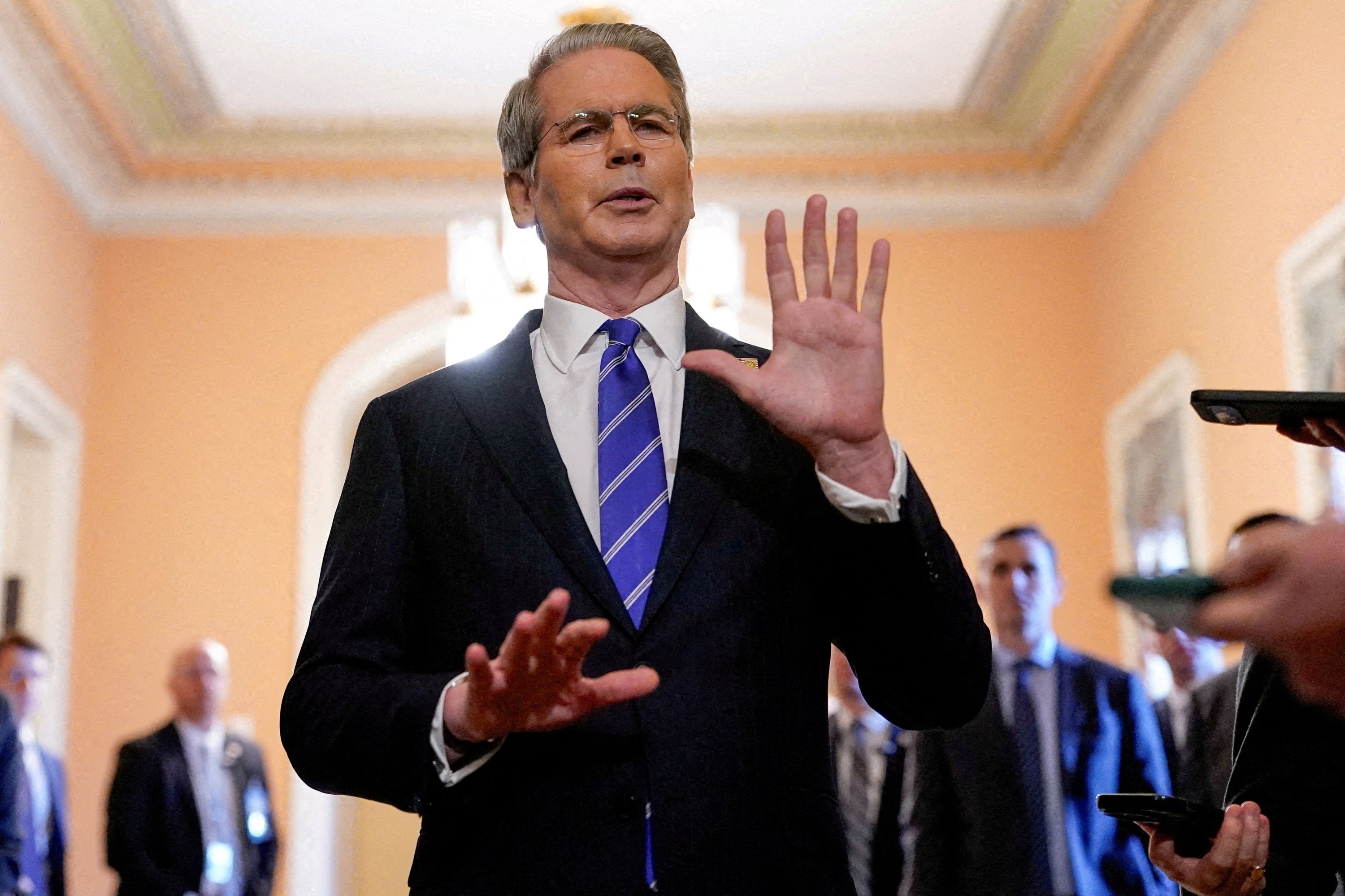
In a move that is already generating significant discussion within financial and political circles, U.S. Treasury Secretary Scott Bessent has called for a sweeping review of the Federal Reserve’s structure, decision-making processes, and policy framework. The statement signals growing concern over the central bank’s role in managing the nation’s economic stability amid complex global and domestic challenges.
Bessent, addressing an important financial conference in Washington, highlighted the necessity to review the Federal Reserve’s extensive mandate and the implements it uses to carry out monetary policy. He stressed that the aim of this examination is not to weaken the independence of the institution, but to make sure it continues to be adaptive, open, and efficient in confronting shifting economic conditions.
The timing of Bessent’s remarks is noteworthy. Inflationary pressures, geopolitical uncertainties, and an uneven post-pandemic recovery have all complicated the Fed’s balancing act between controlling prices and sustaining employment. While the central bank has raised interest rates aggressively over the past two years to counter inflation, critics argue that its actions may be contributing to a potential economic slowdown. Bessent’s comments appear to reflect a growing appetite for accountability and a clearer articulation of the Fed’s long-term strategy.
Based on Bessent’s perspective, the suggested examination will delve into various essential topics, such as the Federal Reserve’s method for establishing interest rates, its strategies regarding financial oversight, and the configuration of its leadership alongside its regional banks. He expressed that although the Fed has been a longstanding cornerstone of economic steadiness in the U.S., no organization should be exempt from careful evaluation—particularly one that wields such extensive influence.
One area of focus could be the dual mandate itself. The Federal Reserve is tasked with promoting maximum employment and maintaining price stability. However, critics on both sides of the political spectrum have questioned whether the current policy tools and frameworks are suited to today’s economic environment, particularly in light of rapid technological change, labor market disruptions, and growing inequality.
Bessent also highlighted the need for enhanced transparency and public engagement. The central bank, though technically independent, plays an outsized role in shaping the economic outlook of every American household and business. As such, there is a growing consensus that the Fed must better communicate its goals, methodologies, and potential trade-offs in a way that is accessible to the public.
Investor responses to Bessent’s remarks have varied. Some see the request for an assessment as a prudent and essential step, while others worry about possible political influence or excessive regulation. Nonetheless, Bessent made it clear that his aim was not to undermine the Fed’s autonomy but to enhance public confidence through a constructive review and modernization if needed.
El texto original no contiene palabras clave delimitadas por `{}`. Aquí está el texto reescrito cumpliendo con todas las instrucciones:
This instance is not the initial occurrence of the Federal Reserve facing examination. Demands for modification have sporadically arisen through the years, frequently as reactions to economic crises or policy errors. Nevertheless, Bessent’s role as Treasury Secretary lends significance to the present proposal, indicating that it could gather support among both lawmakers and financial policy experts.
Economic analysts note that any substantive review of the Fed would require collaboration across agencies and likely involve input from academics, former central bankers, and international experts. A comprehensive audit or restructuring would take time, and any changes would need to be carefully implemented to avoid market instability or disruption to the Fed’s core functions.
Bessent’s comments also come at a time when central banks worldwide are grappling with similar questions. In Europe, Asia, and Latin America, monetary authorities are reassessing inflation models, interest rate policies, and their roles in promoting financial inclusion and environmental sustainability. As economic systems grow more interconnected and digital finance accelerates, the traditional playbook of central banking is being challenged.
In advocating for an evaluation, Bessent seems to be aligning U.S. economic policy with the worldwide trend towards institutional reflection and reform. His message strikes a chord with those who argue that the Federal Reserve needs to adjust to a swiftly evolving landscape, where economic instability, climate-related risks, and changing labor dynamics require fresh strategies.
Bessent’s remarks could also spark debate in Congress, where opinions about the Fed often vary along ideological lines. Some lawmakers may see the proposal as a chance to address long-standing concerns about accountability, while others may worry about unintended consequences for market confidence. Regardless, the conversation about the Fed’s future role is likely to intensify in the months ahead.
Looking forward, the next steps may involve the formation of a nonpartisan commission or task force to conduct a thorough review of the Federal Reserve System. Such an initiative would likely examine historical performance, policy outcomes, structural governance, and opportunities for reform. Key issues might include how monetary policy is coordinated with fiscal policy, how the Fed addresses regional disparities, and how it navigates emerging economic risks such as digital currencies and climate-related financial shocks.
In the current situation, the Fed is grappling with urgent policy considerations. Although there are indications of easing in inflation, economic expansion remains delicate, leaving its future actions unclear. Bessent’s proposal for reassessment does not instantly alter the Fed’s existing direction, but it does imply that discussions regarding monetary policy and central bank responsibility are evolving into a fresh stage.
While it’s uncertain if this will lead to minor adjustments or significant modifications within the Federal Reserve’s framework, it is evident that the organization will continue to be closely watched as it addresses upcoming economic hurdles. With influential voices like Scott Bessent pushing for a thorough re-evaluation, the trajectory of U.S. monetary policy might be influenced not only by interest rate choices but also by wider considerations regarding governance, transparency, and public confidence.