The Environmental Impact of Fashion
The fashion industry is a significant contributor to environmental degradation, touching various aspects of our ecosystem. As consumer demand for fast fashion grows, so does the environmental footprint of producing, transporting, and disposing of garments. Understanding the impact of fashion on the planet is crucial for fostering sustainable practices and making informed choices as consumers.
Water Usage and Contamination
The apparel sector ranks among the top global water users. Producing one cotton shirt requires around 2,700 liters of water, equivalent to a person’s drinking supply for more than two years. Growing cotton represents about 24% of global insecticide sales and 11% of pesticide sales, contributing to the pollution of freshwater resources. These farming methods cause contamination, seriously impacting ecosystems and communities that rely on these water sources.
“`html
Output of Greenhouse Gases
“`
Fashion is responsible for approximately 10% of global carbon emissions, surpassing international flights and maritime shipping combined. The majority of these emissions come from energy-intensive production phases, predominantly in countries relying on coal-powered energy. Synthetic fibers, like polyester, require significant oil derivation, exacerbating the carbon footprint. With fashion cycles moving faster, the increased production only intensifies these emissions.
Textile Waste and Landfills
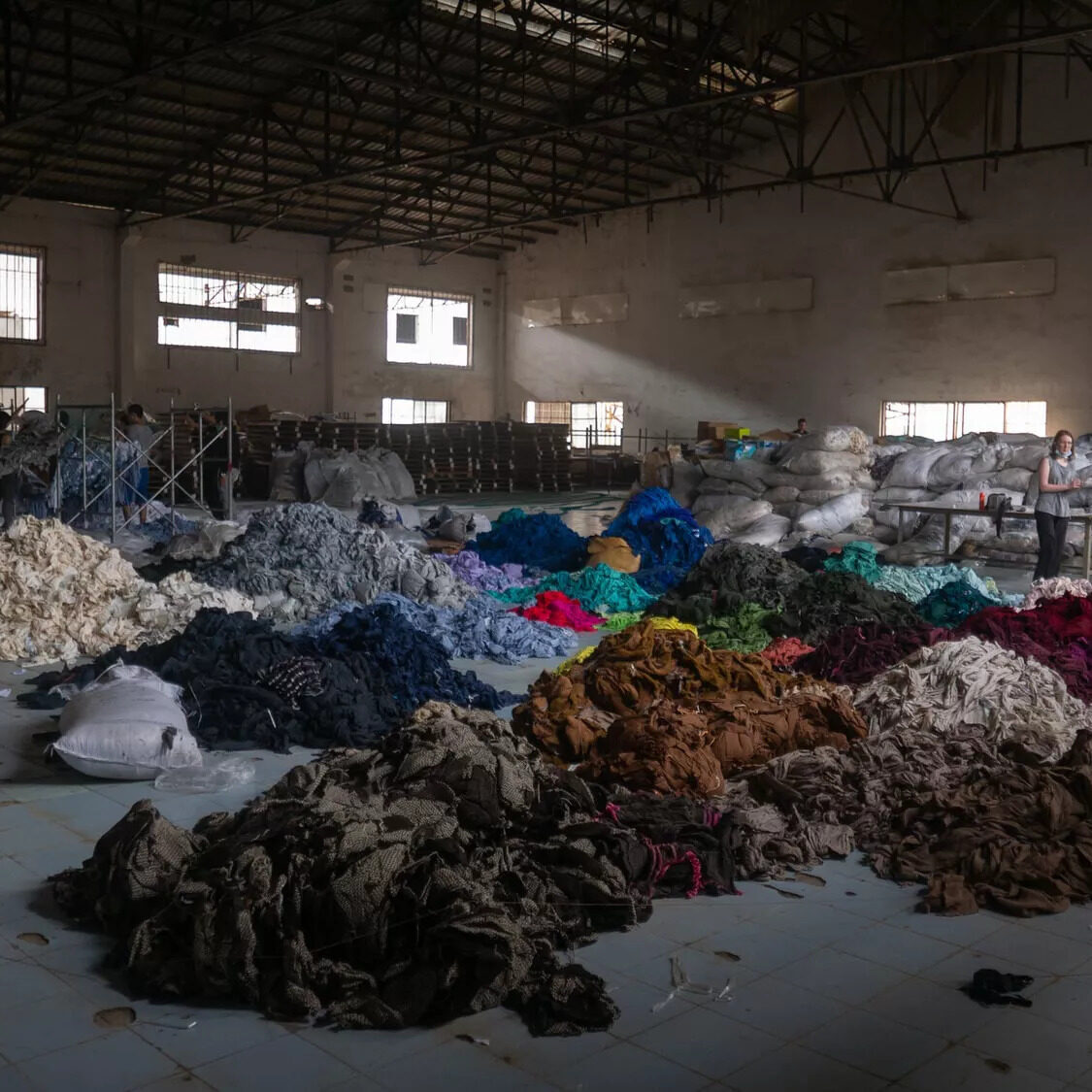
Fast fashion’s rise results in colossal amounts of textile waste. The average American discards roughly 81 pounds of clothing each year, totaling over 11 million tons of textile waste in the United States alone. Globally, a garbage truck’s worth of textiles is landfilled or incinerated every second. This waste burden highlights a severe loop where clothes are disposed of more rapidly than they can decompose or be recycled effectively.
Microplastic Pollution
Cada vez que se lavan prendas sintéticas, liberan microplásticos en los sistemas de agua. Estas pequeñas fibras a menudo pasan por alto los procesos de tratamiento de aguas residuales y finalmente llegan a los océanos, causando efectos perjudiciales en la vida marina. Se estima que el 35% de los microplásticos primarios en los océanos provienen del lavado de textiles sintéticos, contribuyendo a una creciente crisis ambiental que impacta tanto a los ecosistemas marinos como a las cadenas alimentarias.
Sustainable Alternatives and Practices
Increasing awareness has spurred a shift towards sustainable fashion, characterized by ethical production practices, durable materials, and the promotion of recycling. Brands committed to sustainability are leveraging innovative technologies like biodegradability, circular fashion, and slow fashion models to minimize their environmental impact. For instance, initiatives like Patagonia’s Worn Wear and Levi’s SecondHand promote clothing reuse and repair, cutting down on waste while conserving resources.
The role of fashion in environmental degradation poses a multifaceted challenge that requires proactive solutions from both consumers and industry players. As understanding deepens about the intricate connections between fashion and ecology, shifts in consumption patterns and industry standards are imperative. Empowering consumers with knowledge and options remains crucial to fostering a sustainable future, indicating that change, while challenging, is indeed possible and essential.

:max_bytes(150000):strip_icc()/VWH-GettyImages-2168531818-3e0c9a6c46fe445ab049a4daf639baa5.jpg "How To Incorporate Glycolic Acid Into Your Skincare Routine, According To The Experts")