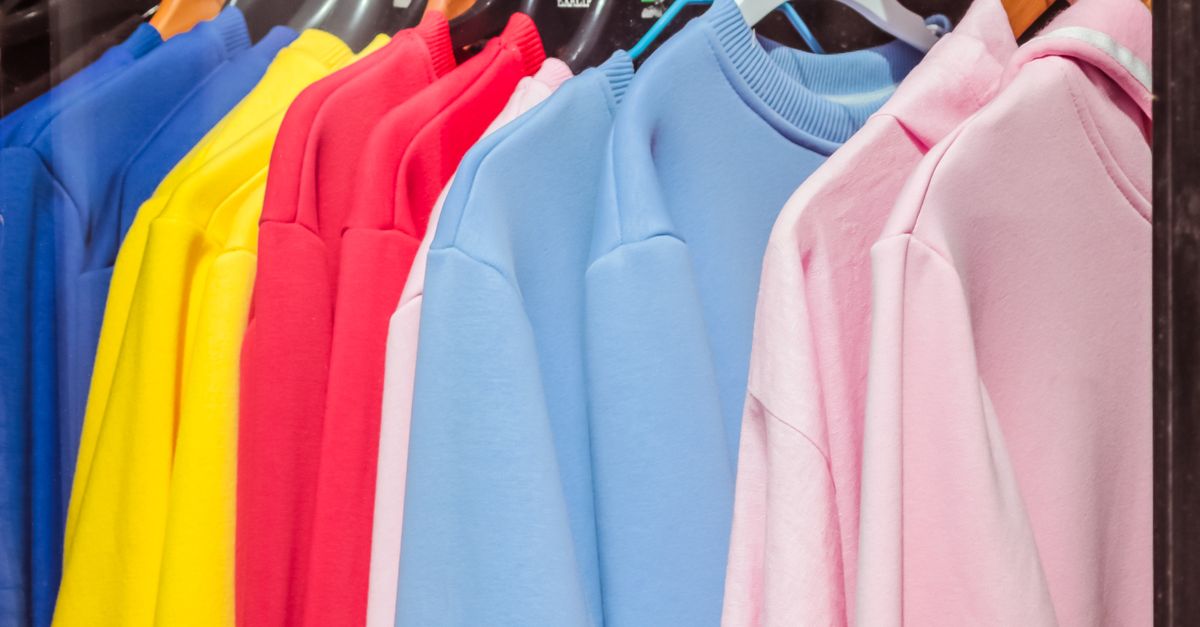
Fashion has long mirrored society’s evolution, capturing cultural, political, and social transformations. As communities embrace more inclusive perspectives, the idea of genderless fashion has steadily grown in prominence. Yet what does genderless fashion truly involve? It describes apparel free from traditional gender boundaries. Rather than dividing garments into men’s and women’s categories, genderless fashion introduces designs intended for anyone, irrespective of their gender identity.
A Historical Perspective
To truly understand the concept of genderless fashion, it’s essential to look back at its roots. Fashion has often broken gender boundaries. In the 1920s, Coco Chanel introduced trousers to women’s wardrobes, although pants were traditionally male attire. The 1960s and 1970s saw unisex clothing emerge during waves of societal change, emphasizing individuality rather than gender conformity. This eras’ hippie movement further blurred the lines with unisex garments like bell-bottoms and tunics. Over the decades, designers like Yves Saint Laurent and Vivienne Westwood challenged conventional gender norms, paving the way for today’s genderless fashion landscape.
The Rise of the Genderless Movement in Modern Fashion
In recent years, a renewed emphasis on inclusivity and diversity has propelled genderless fashion back into the spotlight, with numerous designers and labels crafting deliberately fluid collections that prioritize comfort and creative expression rather than conventional gendered styles. Leading names such as Gucci, Harris Reed, and Telfar stand at the forefront of this shift, presenting lines designed to appeal to broad audiences while moving away from traditional gender-bound aesthetics.
Celebrity influence remains crucial in advancing genderless fashion, as public figures such as Harry Styles, Janelle Monáe, and Ezra Miller frequently appear on red carpets and magazine covers in boundary‑pushing ensembles that unsettle traditional expectations and encourage wider acceptance of more fluid stylistic expressions.
The Role of Sustainable Fashion
Beyond the breaking of gender norms, genderless fashion intersects with sustainable practices. By promoting styles that are universal, brands can focus on creating versatile clothing meant for all, reducing the need for separate collections for different genders. This leads to less waste and encourages a more sustainable fashion cycle. Genderless fashion advocates for timeless pieces that transcend seasonal trends, promoting longevity and ecological responsibility in our wardrobes.
Case Studies of Genderless Fashion in Retail
Retailers have been adjusting to the rising interest in genderless fashion, with high-street labels like Zara and H&M introducing unisex collections, while niche brands such as Phluid Project build their entire philosophy around a gender-free approach, and the retail landscape has evolved as well, as numerous stores now include dedicated areas for gender-neutral clothing, dissolving the conventional separation between men’s and women’s sections.
Another notable illustration is Nordstrom, which in certain stores tested the complete removal of gender-specific sections, creating a more seamless shopping environment that motivates customers to choose garments according to their individual style instead of predefined gender categories.
How Fashion Helps Redefine Conventional Gender Expectations
Genderless fashion does more than just offer alternative clothing options; it challenges the societal norms of gender expression. Fashion, being a visual and accessible medium, allows individuals to explore their identities beyond conventional binary definitions. This exploration facilitates broader conversations around gender, identity, and expression, encouraging acceptance and understanding.
Navigating the Future of Genderless Fashion
As global awareness of gender fluidity continues to grow, genderless fashion seems increasingly ready to settle into the mainstream, where it may reshape upcoming fashion lines and shift inclusivity from an exception to an everyday standard, while the broader fashion industry faces the ongoing task of upholding genuine representation, accessibility, and authenticity in its treatment of genderless style.
Genderless fashion represents a shift towards a more inclusive, flexible, and conscious fashion industry. It challenges traditional norms, promotes sustainability, and reflects an evolving society that recognizes and celebrates diverse forms of identity expression. The future of fashion is not just about the clothes we wear, but about the statement we make through what we choose to embrace, highlighting personal expression that transcends gender binaries.