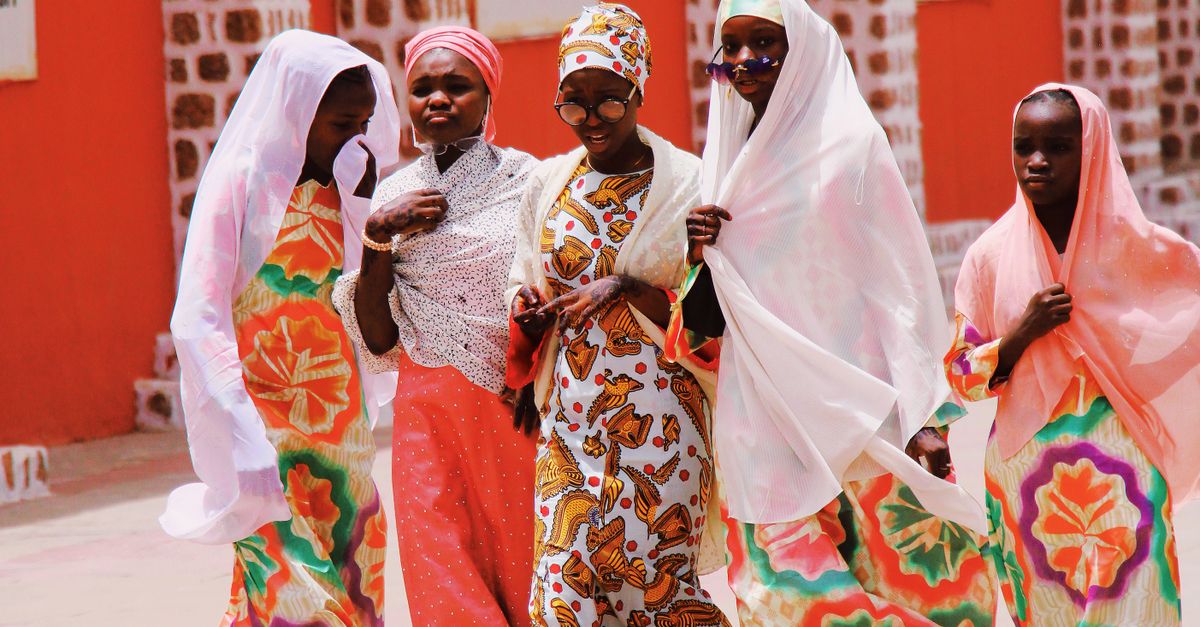
Burkina Faso faces persistent public health challenges. Maternal mortality remains high by global standards, with recent estimates placing the maternal mortality ratio in the low hundreds per 100,000 live births (estimates vary by source and year). Access to safely managed drinking water and basic sanitation is uneven: urban areas have substantially better coverage than rural communities where many health facilities also lack reliable water and sanitation services. Maternal health and safe water are tightly linked — clean water, functioning sanitation and hygiene (WASH) in health facilities and communities directly reduce infection, improve birth outcomes, and enable safe newborn care.
Why corporate social responsibility (CSR) is relevant
Private sector actors operating in Burkina Faso — including mining, telecommunications, agribusiness and beverage companies — have incentives to invest in maternal health and water access. These incentives combine ethical commitments, reputational protection, workforce stability, and the need for a social license to operate. Well-designed CSR programs can complement government and donor efforts by filling service gaps, piloting scalable models, and leveraging private expertise in supply chains, engineering, logistics, and community engagement.
Typical forms of CSR initiatives
- WASH infrastructure: drilling new boreholes, fitting solar-driven pumps, establishing safeguarded wells, and constructing latrines both in communities and inside health centers and maternity units.
- Health facility upgrades: supplying water storage systems, handwashing points, dependable power for lighting and sterilization, and incinerators to manage medical waste.
- Human resources and training: funding midwife and nurse education, enabling ongoing professional development, and covering stipends for community health workers.
- Maternal health service support: underwriting ambulance or motorcycle transport networks for urgent obstetric referrals, providing delivery kits, and backing blood donation initiatives or storage options.
- Behavior change and community engagement: running awareness efforts on antenatal care, safe childbirth practices, newborn care, family planning, and gender-responsive health education.
- Market-based approaches: assisting small local businesses that deliver WASH goods, sanitary products, or low-cost water kiosks, often linked to microfinance services.
- Partnerships and financing: offering grants, co-funding with NGOs or local authorities, and creating multi-actor platforms for combined investment and shared risk.
Illustrations and pattern scenarios
- Mining-sector programs: mining companies routinely channel resources into regional infrastructure around their concessions, often blending borehole drilling, electrification for health facilities, and support for emergency transport to cut delays in accessing care. Reviews of comparable mining-driven CSR efforts in the Sahel region have documented clear rises in facility-based births when dependable water systems and transport options are in place.
- Telecom and utilities: telecom operators commonly back awareness initiatives and digital health tools, including SMS reminders for antenatal visits and hotline assistance, while utilities or engineering firms finance the repair of water points and the installation of solar-powered pumping solutions that maintain uninterrupted supplies for clinics.
- Beverage and bottling companies: beverage companies reliant on local water sources frequently invest in watershed conservation, community boreholes, and water purification kiosks, creating opportunities to integrate maternal and child health messaging at distribution points.
- NGO-corporate partnerships: international NGOs with expertise in WASH and reproductive health join forces with private donors to broaden the reach of interventions, combining community engagement and behavior-change capabilities with corporate funding and operational support.
Evidence of impact and quantifiable results
Robust CSR initiatives disclose performance based on well defined indicators. Common measures include:
- Maternal outcomes: the rate of skilled attendance at birth, the percentage of deliveries taking place in facilities, the time required for referrals during obstetric emergencies, and estimated maternal mortality ratios within the priority areas.
- WASH outcomes: the count of operational water points installed, the share of health facilities equipped with basic water services, the proportion of households benefiting from improved sanitation, and the occurrence of waterborne infections affecting mothers and newborns.
- Service use and equity: completion of antenatal care visits (four or more), levels of contraceptive adoption, and gains in service accessibility among the lowest-income quintiles and rural communities.
- Operational indicators: the volume of trained staff, the number of hours ambulances remain available, and the financial viability of established water kiosks or maintenance funds.
Publicly accessible evaluations in comparable settings indicate that pairing WASH enhancements in health facilities with community outreach efforts and transportation support often delivers the most substantial gains in facility-based births and lowers the incidence of infection-related complications.
Obstacles and potential hazards
- Maintenance and sustainability: infrastructure initiatives often falter when ongoing upkeep is not anchored within local institutions, and transferring responsibilities to underfunded health districts or community committees without reliable revenue channels can quickly lead to decline.
- Fragmentation: disconnected CSR interventions may replicate services within one area while others remain unsupported, making coordination with district health strategies vital.
- Equity and inclusion: CSR efforts may inadvertently prioritize easily reached communities or reinforce male‑dominated decision-making unless intentional steps promote women’s involvement and extend support to remote or marginalized populations.
- Security and operating environment: the security context in parts of Burkina Faso complicates delivery, heightens expenses, and can restrict opportunities for monitoring and evaluation.
- Measuring health outcomes: linking shifts in maternal mortality directly to a single CSR initiative is challenging; more practical metrics include facility-based births, infection levels, and WASH system performance.
Design principles for high-impact CSR
- Align with national strategies: coordinate with the Ministry of Health, regional health directorates, and district plans to ensure complementarity and sustainability.
- Integrate WASH and maternal health: target investment to keep maternity wards and delivery rooms supplied with safe water, sanitation, and hygiene materials as a priority.
- Build local capacity: invest in training for maintenance technicians, midwives, and community health workers; set up local financing mechanisms for spare parts and repairs.
- Use data-driven targeting: prioritize districts with the largest gaps in skilled birth attendance and basic water services; set SMART indicators and baseline surveys.
- Plan for long-term financing: combine capital grants with revenue models (water kiosk fees, community health insurance, public-private maintenance contracts) to cover recurrent costs.
- Foster community ownership and gender equity: include women’s groups in decision-making, ensure female health workers are supported, and design interventions that remove barriers for pregnant women.
Policy and partnership opportunities
- Multi-stakeholder platforms: pooled funds with government, donors, NGOs and multiple corporations create scale and reduce fragmentation.
- Performance-based contracts: companies can fund outcomes (e.g., increases in facility deliveries or reductions in facility water outages) rather than inputs alone, encouraging service sustainability.
- Innovation and technology: mobile payment for water kiosk fees, remote monitoring of water points, solar systems for sterilization and lighting, and telehealth for antenatal counseling can extend impact when paired with local training.
- Local enterprise development: supporting micro-enterprises for pump maintenance and sanitary product distribution creates jobs and strengthens local supply chains.
Oversight, assessment and reporting
Comprehensive CSR initiatives often rely on blended monitoring and evaluation methods:
- Quantitative indicators: baseline and periodic surveys of water point functionality, percentage of health facilities with basic WASH, skilled birth attendance, and referral times.
- Qualitative feedback: community focus groups, health worker interviews, and gender audits to assess acceptability and barriers.
- Transparency and public reporting: publishing results, budgets, and lessons learned strengthens accountability and enhances replicability.
Practical recommendations for companies operating in Burkina Faso
- Give preference to comprehensive WASH improvements in health facilities that reach broad catchment areas and face significant maternal health demands.
- Collaborate with trusted NGOs and municipal authorities to blend specialized technical knowledge with sustained oversight.
- Shape interventions with explicit transition plans that cover training, funding for spare parts, and mechanisms for community stewardship.
- Implement monitoring tools featuring publicly validated indicators and support independent assessments to strengthen proof of results.
- Involve women and local leaders from the earliest project stages to promote inclusion and adapt services to cultural realities.
A focused CSR approach in Burkina Faso that combines reliable water supplies for health facilities, investments in transport and emergency referral, and sustained support for frontline health workers can substantially reduce preventable maternal and newborn harm. When private financing is aligned with national priorities, built for local ownership, and measured by outcomes rather than visibility alone, corporate contributions become durable elements of stronger health systems and safer communities.