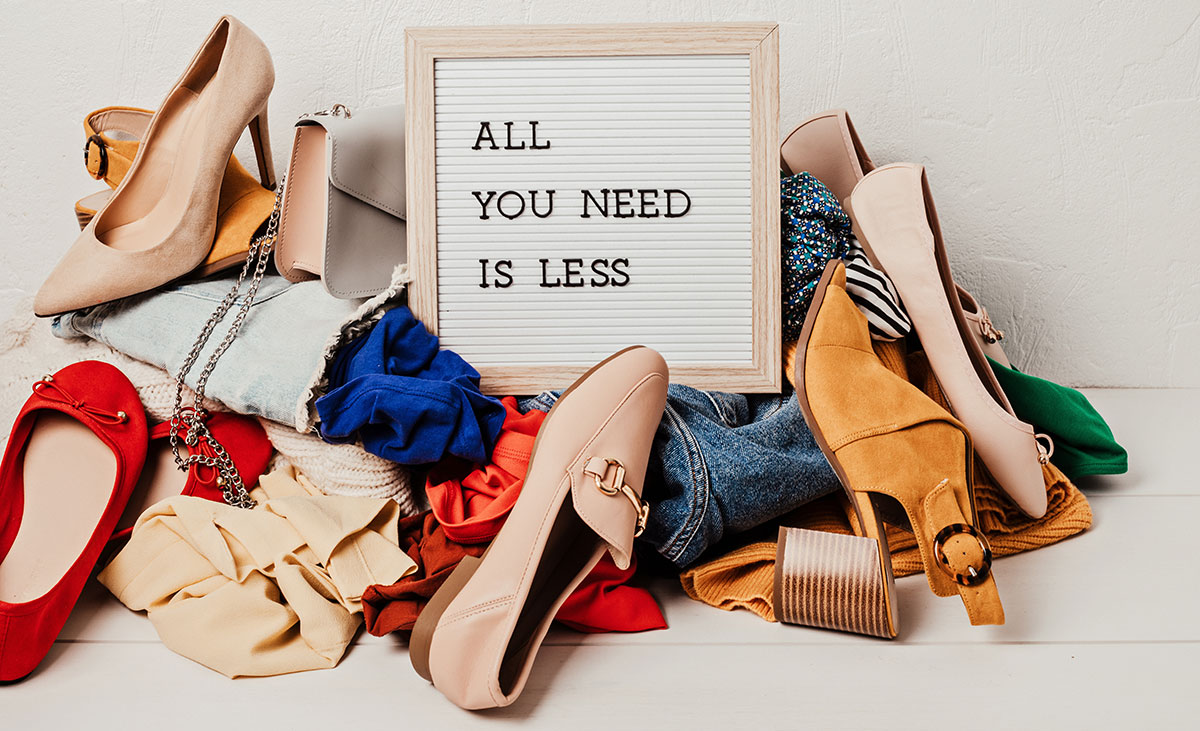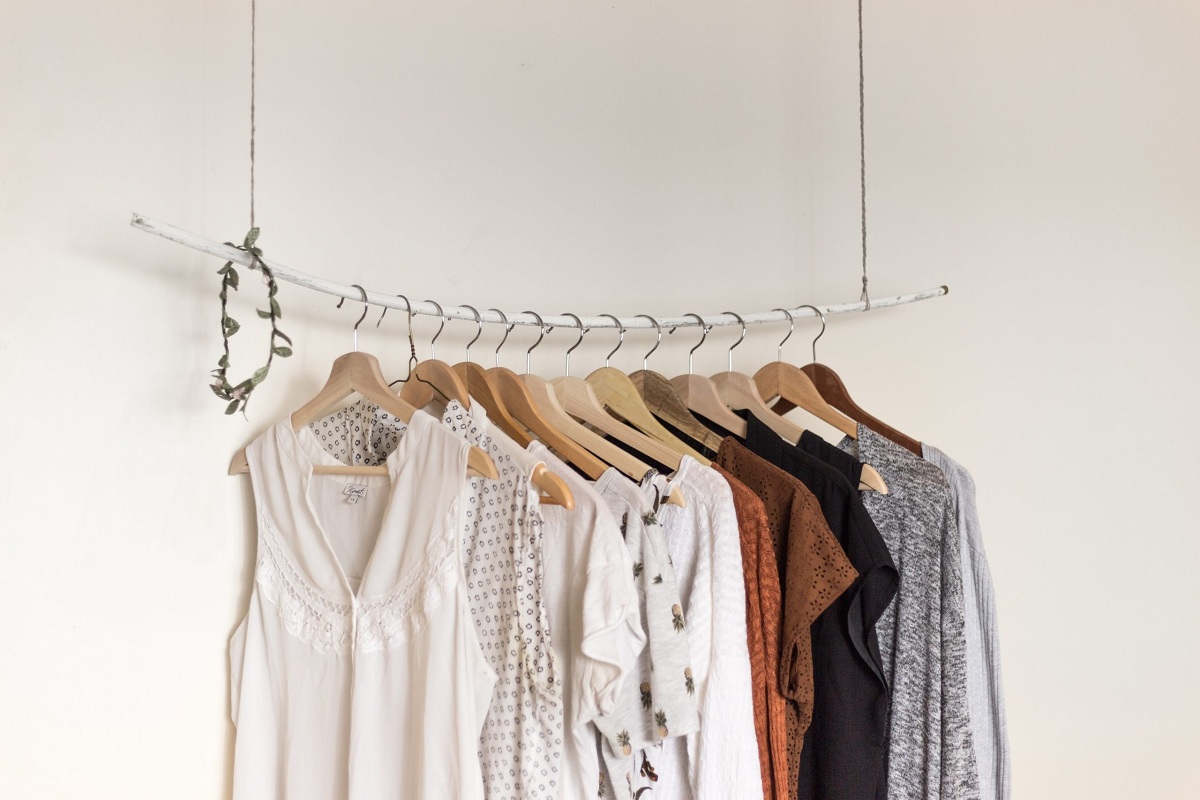
The idea of slow fashion arises as a mindful, sustainable counterpoint to the rapid, profit-centered routines that dominate the global fashion industry, and at its heart, this movement prioritizes enduring quality rather than mass quantity while encouraging environmental awareness, social accountability, and a more meaningful link between how items are made and how they are ultimately used.
Historical Background
Slow fashion originated from the wider slow movement, which took shape in Italy in the 1980s as a response to fast food, advocating for sustainable farming and the pleasure of savoring meals. In much the same way, slow fashion promotes a deliberate, thoughtful attitude toward making and using clothing. Its influence grew in the early 2000s, when consumers and activists increasingly acknowledged how fast fashion harms both the environment and garment workers.
Core Tenets of Slow Fashion
Ethical Production: Slow fashion brands prioritize fair labor practices, ensuring that workers receive fair wages, work in safe conditions, and have reasonable working hours. Brands like Patagonia and Eileen Fisher have set benchmarks by implementing transparent supply chains and empowering workers through fair trade practices.
Sustainability: By focusing on high-quality materials, long-lasting designs, and environmentally friendly production methods, slow fashion aims to minimize the industry’s carbon footprint. The use of organic cotton, recycled materials, and natural dyes are common practices among slow fashion brands.
Quality Over Quantity: Instead of seasonal trends that encourage disposability, slow fashion champions timeless styles that stand the test of time. Consumers are encouraged to invest in versatile pieces that offer durability and classic appeal.
Transparency: Brands adhering to slow fashion values often provide detailed information about their supply chains and production methods, enabling consumers to make informed decisions. This transparency builds trust and accountability in the fashion industry.
Consumer Effects and Behavioral Patterns
The rise of slow fashion reflects a noticeable transformation in consumer habits, as people grow more mindful of the full journey their garments take and the wider environmental and social impacts involved. Research from the Fashion Revolution initiative highlights an escalating interest in openness. Its “Who Made My Clothes?” campaign showed that 74% of consumers think fashion brands ought to share public details about their manufacturing conditions.
Additionally, slow fashion motivates consumers to extend the lifespan of their garments through repair, recycling, and second-hand shopping, while clothing swaps and upcycling workshops have grown in popularity, encouraging creativity and cutting waste.
Challenges and Criticisms
Despite its benefits, slow fashion faces significant challenges. Higher production costs often result in price points that can be inaccessible for some consumers. Furthermore, the industry’s scale and pressures from fast fashion rivals can hinder widespread adoption. Nevertheless, collaborations between slow fashion brands and larger corporations might provide solutions for scaling sustainable practices.
Critics also argue the potential for greenwashing, where some brands may market themselves as more sustainable than they truly are. This highlights the need for verified certifications and accountability measures to maintain the movement’s integrity.
Looking Ahead
The evolution of slow fashion points toward ongoing expansion and fresh innovation, and as more consumers, designers, and policymakers embrace sustainability objectives, the sector is positioned to transform long‑standing fashion models. New technologies, including blockchain for enhanced supply chain visibility and breakthroughs in eco‑friendly textiles, are expected to drive the movement ahead.
Ultimately, slow fashion represents more than just a trend; it is a mindful approach that intertwines ethics with aesthetics. By embracing this philosophy, the fashion industry can honor both people and the planet, fostering a more equitable and sustainable future for all.