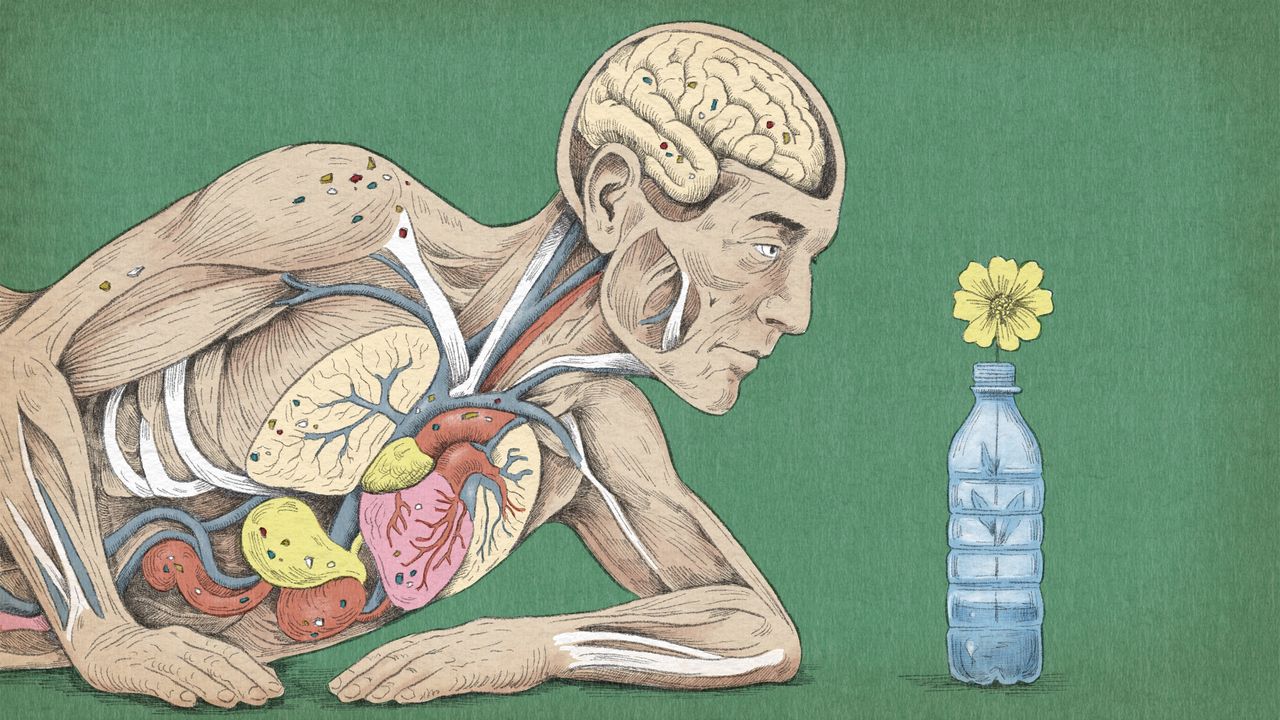
Small plastic fragments, referred to as microplastics, have increasingly become a topic of concern in conversations about environmental and public health. These tiny pieces, which are less than five millimeters in size, are being found not only in oceans and soil but also inside the human body. As understanding grows, so do inquiries about the potential impact of these particles on general health.
Microplastics stem from the fragmentation of bigger plastic materials or are produced in tiny forms for incorporation into items like cosmetics, detergents, and industrial purposes. Gradually, these fragments spread into the environment, ending up in the air we inhale, the food we consume, and the water we drink. Typical exposure avenues include seafood, salt, bottled water, fruits, vegetables, and even household dust.
Once ingested or inhaled, microplastics may be absorbed through the digestive or respiratory systems. Some are eliminated from the body, but others may linger and accumulate in organs or tissues.
While research is still ongoing, preliminary studies suggest that the presence of microplastics in the body could potentially lead to various health issues. One area of concern is inflammation. The body may interpret these foreign particles as harmful invaders, triggering immune responses that result in chronic inflammation. Over time, this can contribute to tissue damage or increase the risk of diseases such as arthritis or cardiovascular problems.
Furthermore, tiny plastic particles can act as vehicles for various harmful materials. Some types of plastics have compounds such as bisphenol A (BPA) or phthalates, which are recognized for disrupting endocrine systems. These substances can disrupt hormonal balance, potentially influencing reproduction, metabolic processes, and development.
There are also concerns about oxidative stress, a condition that occurs when the body produces more free radicals than it can neutralize. The buildup of microplastics might contribute to this imbalance, potentially accelerating cellular aging and increasing vulnerability to chronic diseases.
Emerging studies have found residues of microplastics in the lungs, liver, kidneys, and even blood. This prompts inquiries about the movement of these particles inside the body and their ability to cross barriers such as the blood-brain barrier or placenta. If microplastics penetrate vital systems, they may affect neurological development, prenatal health, or immune function in ways that are not yet fully comprehended.
One particularly troubling consideration is the impact on the gut microbiome. The gastrointestinal tract is home to trillions of bacteria essential to digestion, immunity, and even mood regulation. Early findings suggest that microplastics could disrupt this delicate microbial balance, which may lead to gastrointestinal disorders, increased susceptibility to infections, or metabolic problems.
Although there is increasing evidence of human exposure to microplastics, the potential long-term effects remain mostly theoretical. The majority of research so far has been small in scope or carried out in lab environments, indicating that the actual effects in everyday life are yet to be fully understood. Nonetheless, it is evident that people frequently come into contact with these substances, and their accumulated presence could present a long-term hazard.
Although completely eradicating exposure may not be feasible, there are measures that individuals can adopt to lessen their interaction with microplastics. Utilizing water filters, reducing intake of heavily processed food items, staying away from disposable plastics, and enhancing indoor air quality by means of ventilation and cleaning can all contribute to decreasing the ingestion of plastic fragments.
Additionally, selecting garments made from natural fibers, steering clear of heating food in plastic containers using the microwave, and preferring glass or stainless steel for storage instead of plastic can also decrease exposure to chemicals derived from plastics.
As microplastics keep entering ecosystems and human bodies, there is a growing necessity for more thorough investigations to comprehend their effects. Equally crucial is crafting worldwide strategies to address plastic waste, cut down on pollution, and shift to sustainable materials.
Comprehending the effects of microplastics on human health is likely to necessitate extended research and collaboration between various disciplines such as environmental science, toxicology, medicine, and public policy.
For the moment, increasing awareness and making minor adjustments in daily habits can enable people to minimize their exposure and promote healthier, safer surroundings. The tiny size of microplastics shouldn’t diminish their significant impact on health, and taking action on their existence now might safeguard the well-being of coming generations.