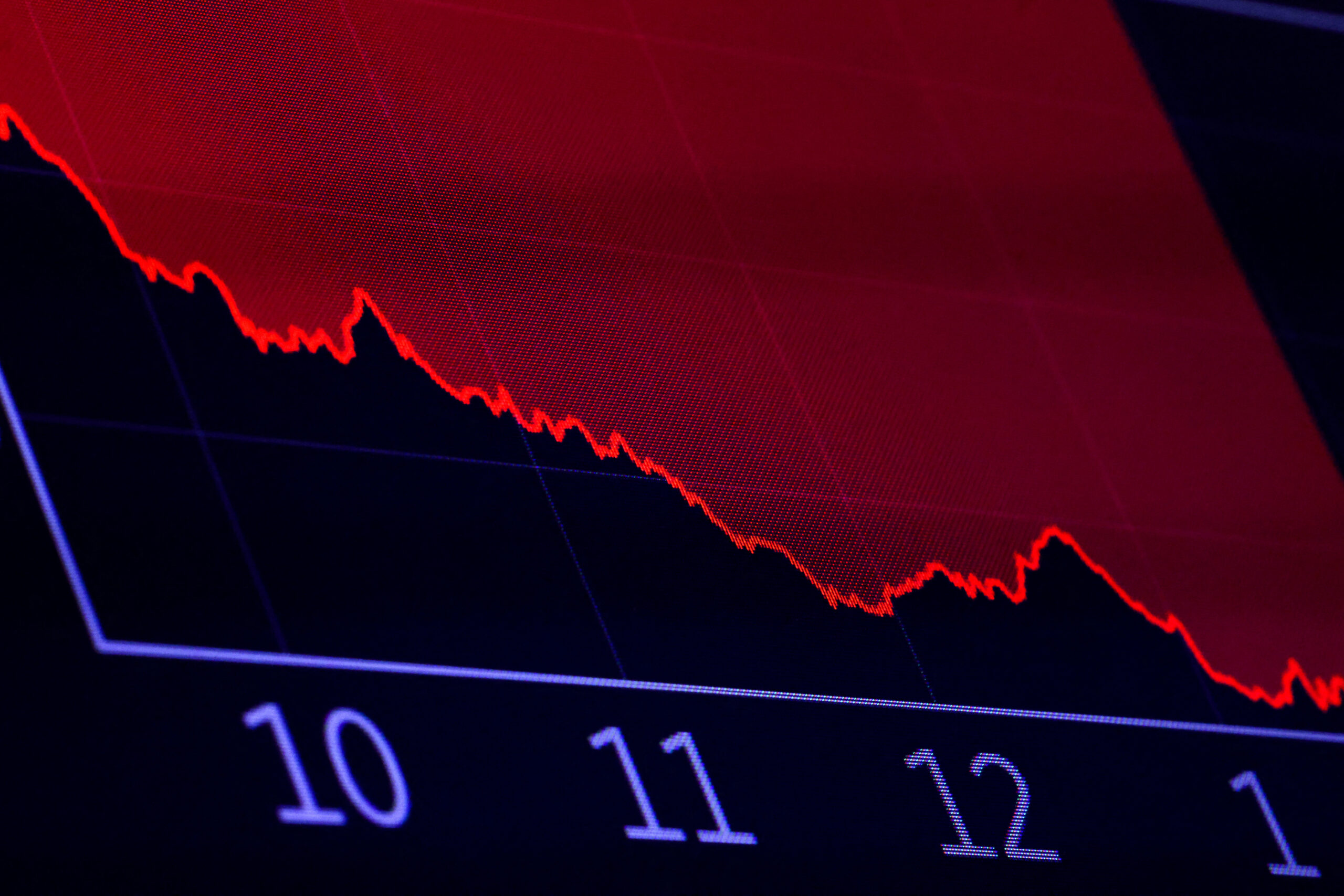
Tesla, once the undisputed leader in the electric vehicle (EV) market, is currently navigating a turbulent financial period. Despite efforts by its CEO Elon Musk to distance himself from recent political controversies — including stepping back from public disputes with the White House — the company continues to face a slowdown marked by declining revenue, reduced demand, and intensifying competition.
Throughout the last year, Tesla’s stock has experienced fluctuations, mirroring wider worries about the firm’s performance and strategic path. While Musk’s presence in political circles has diminished lately, this change has not yet resulted in a recovery for Tesla’s main business figures. Both analysts and investors are closely monitoring the company’s quarterly financial results, delivery figures, and its capacity to remain a leader in a growingly crowded electric vehicle market.
A decrease in interest within a developing electric vehicle sector
One of the significant issues facing Tesla is the nature of the electric vehicle market itself. What began as a fast-growing field with few competitors has transformed into a highly competitive arena. Established car manufacturers such as Ford, General Motors, and Volkswagen have expanded their electric vehicle offerings, while newer companies like Rivian, Lucid, and BYD have gained consumer interest with creative designs and enticing pricing strategies.
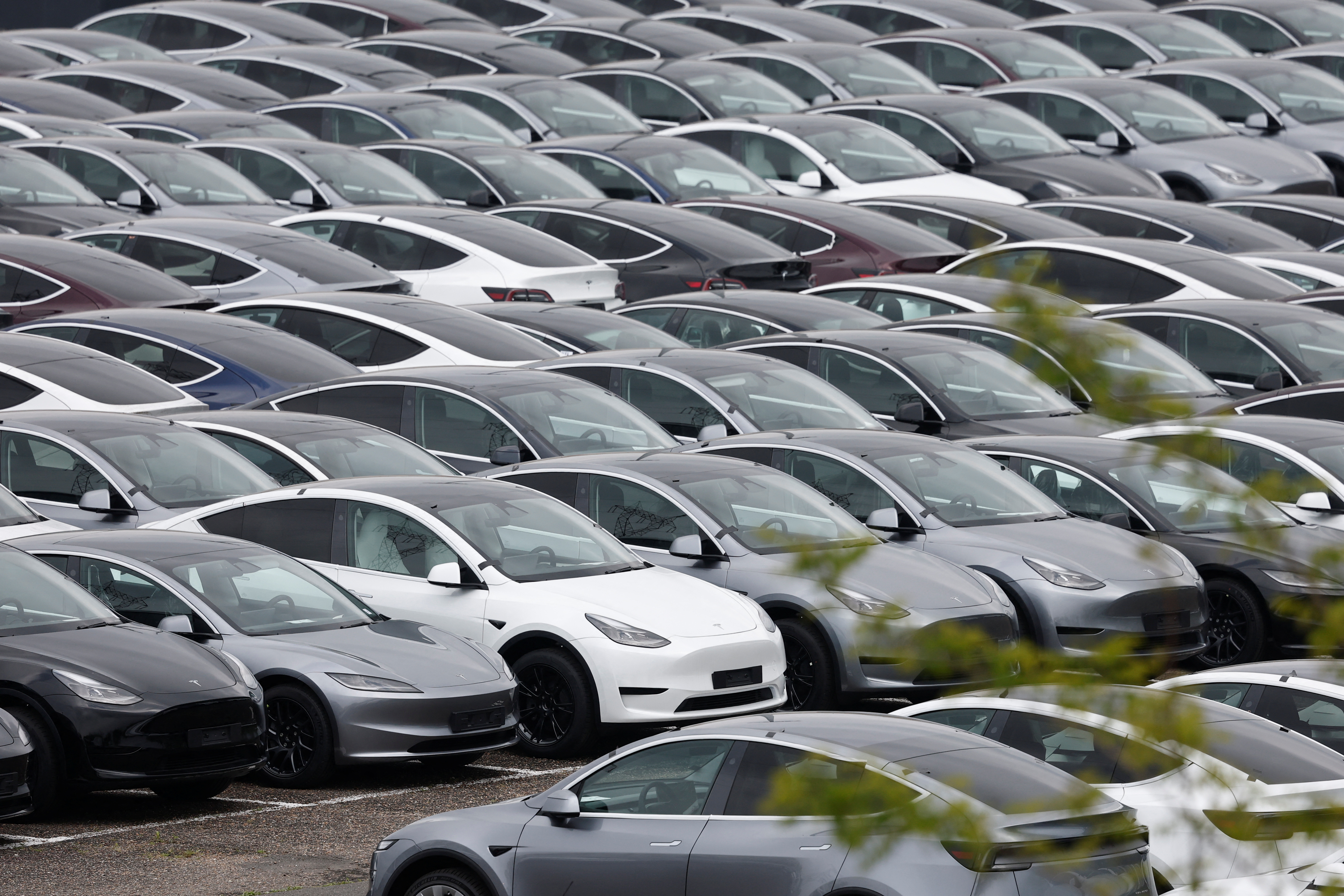
In some regions, Tesla’s market share has declined notably as buyers are offered a wider selection of electric vehicles that match — and in some cases exceed — Tesla’s offerings in performance, features, and affordability. While Tesla still leads in key markets, the dominance it once enjoyed is under pressure. Its models, particularly the flagship Model S and Model X, have seen stagnating sales, and even the popular Model 3 and Model Y are facing more competition than ever.
Price cuts and profit margin concerns
In an attempt to spur demand, Tesla has engaged in a series of price cuts across its major models throughout 2023 and 2024. While these reductions have made the vehicles more accessible to a broader consumer base, they have also raised concerns about long-term profitability.
By slashing prices to stay competitive, Tesla has eroded some of its profit margins — a key point of strength that once distinguished the company from other automakers. In earlier years, Tesla could command a premium for its technology and brand cachet, but the market is no longer as willing to pay top dollar for what is now seen as a more common product category.
Esta táctica de fijación agresiva de precios podría lograr aumentos temporales en volumen, pero algunos analistas del sector se preguntan si es viable a largo plazo, particularmente cuando los costos de materias primas varían y los gastos de producción continúan siendo importantes.
The declining political influence and evolving public persona of Elon Musk
For a long time, Elon Musk’s bold expression was a key component of Tesla’s public persona. His activity on social media, controversial remarks, and political provocations frequently garnered both praise and disapproval. Yet, in the past few months, Musk has adopted a more subdued stance regarding political commentary, concentrating on product innovation and the management of the company.
While some investors and stakeholders welcome this return to a more business-focused image, others note that the reputational damage from Musk’s prior political engagement still lingers. The CEO’s association with polarizing topics had alienated portions of Tesla’s customer base, particularly among environmentally conscious consumers who had once formed the core of the brand’s appeal.
Although Musk is reducing his presence in the political arena, Tesla is still managing the repercussions of previous decisions — such as consumer doubt and skepticism that might be affecting buying habits.
Innovations on the horizon — but not enough to calm investor nerves
Tesla has not been idle in the face of these challenges. The company continues to push the boundaries of EV innovation with new technologies, including the long-awaited Cybertruck, an expanded focus on autonomous driving features, and ongoing development of its AI and robotics arms.
Although there have been significant improvements, certain investors are still doubtful that progress by itself will rekindle expansion. The setbacks in manufacturing the Cybertruck, along with moderate interest from the general public, have lowered expectations. Tesla’s bold objectives regarding autonomous vehicles — including assurances of complete self-driving functionality — have not yet been realized to the extent or dependability that Musk predicted.
Moreover, as other automakers develop their own advanced driver assistance systems and begin integrating AI-driven features, Tesla’s first-mover advantage in innovation is diminishing. Investors are increasingly asking whether the company’s future products will generate the same enthusiasm and revenue potential as its early models did.
International headwinds and operational hurdles
Tesla’s worldwide activities also face obstacles. In China, one of the brand’s biggest markets, interest has weakened due to increasing rivalry from domestic producers. Local car manufacturers are presenting electric cars packed with features at more competitive prices, and their extensive reach across the country provides them with advantages in distribution and production.
In Europe, regulatory shifts and economic uncertainties have also contributed to slower EV sales growth, affecting Tesla’s market penetration. Additionally, ongoing supply chain disruptions, particularly in battery components and semiconductor availability, continue to impact production schedules and delivery timelines.
Tesla has put a substantial amount of resources into its Gigafactories located in the United States, Germany, and China. However, due to the high capital demands of these facilities, any reduction in worldwide demand can critically affect the company’s overall profitability. Maintaining operational efficiency is essential as Tesla manages its growth while keeping expenses in check.
Trust of investors facing challenges
As revenue increases have slowed and cost pressures have increased, investors are showing more caution. Tesla’s market value, once supported by forward-looking optimism and growth forecasts typical of tech companies, is being adjusted to prioritize more conventional automotive indicators.
Many shareholders are now prioritizing consistent delivery performance, profitability, and the ability to scale effectively over hype or visionary declarations. While some still believe in Tesla’s long-term promise, especially in the AI and energy sectors, the company will need to deliver tangible results to maintain confidence in the market.
A crucial time for Tesla’s destiny
Tesla’s ongoing difficulties don’t imply the cessation of its dominance in the electric vehicle sector, but rather highlight a significant transitional phase. As the company progresses, it needs to transform from an innovative emerging entity to a robust international producer able to withstand economic fluctuations, increasing rivalry, and changing consumer tastes.
Elon Musk’s decision to reduce his political profile may be part of a broader strategy to refocus Tesla’s narrative around innovation and operational excellence. Whether this recalibration is enough to steer the company back to sustained growth remains to be seen.
In the months ahead, all eyes will be on Tesla’s financial performance, new product launches, and ability to retain — or regain — its edge in a market it helped define. The journey forward will likely be shaped not only by technological breakthroughs, but also by the company’s ability to navigate a more crowded, competitive, and complex global marketplace.