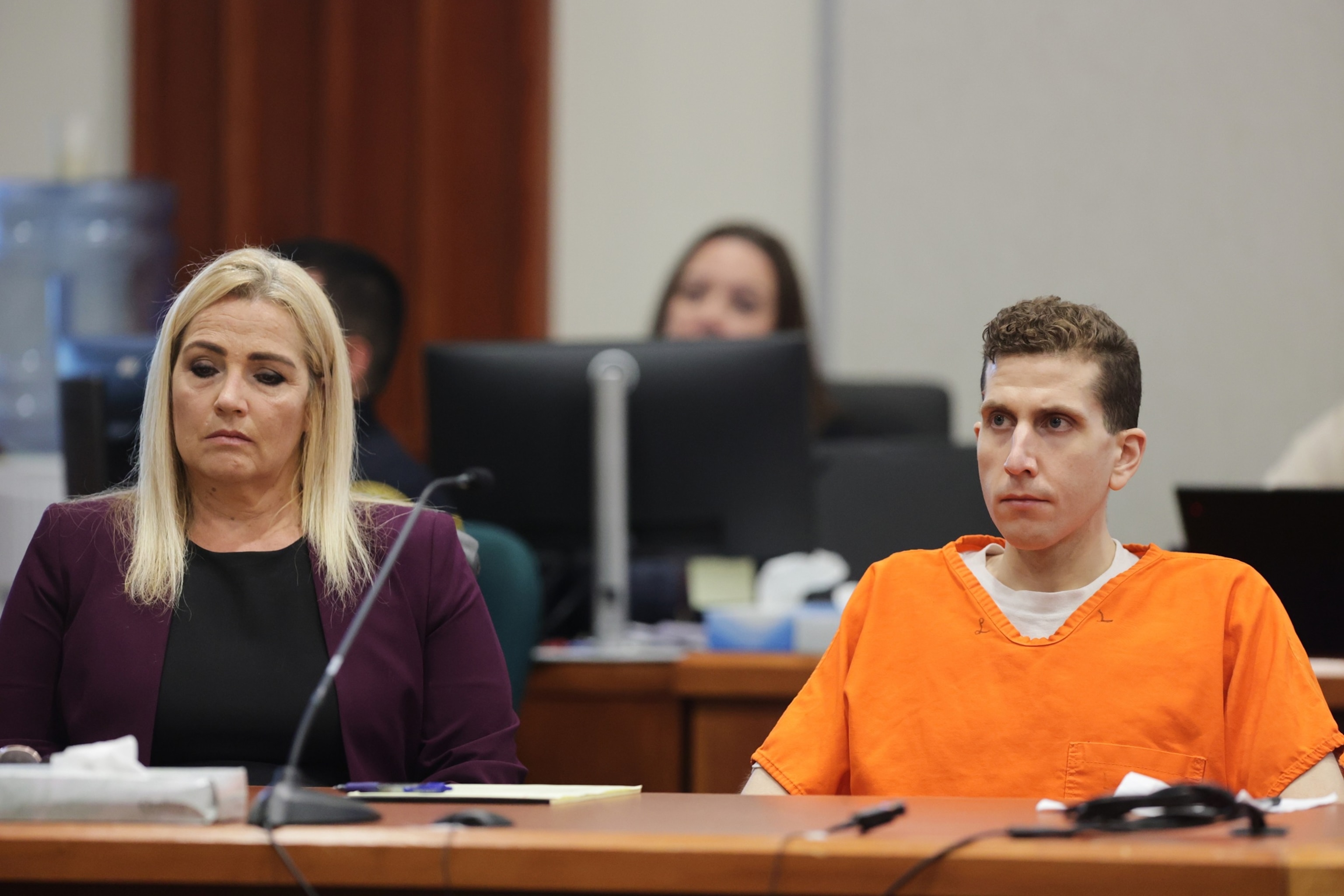
In a case that gripped the nation and sent waves of grief through a university town, Bryan Kohberger has received four consecutive life sentences without the possibility of parole for the brutal murders of four University of Idaho students. The sentencing marks a somber conclusion to a tragedy that shattered a tight-knit community and raised broader questions about safety, justice, and the emotional toll of violent crime.
The sentencing took place in a courtroom filled with emotion as families of the victims, legal representatives, and members of the public gathered to witness the final chapter in a case that has deeply affected many. Kohberger, a former graduate student, had been convicted of the deliberate and calculated killing of the four students—an act that stunned the nation due to its seemingly senseless nature and the young lives lost.
The court found that the murders were premeditated and carried out with a level of cruelty that warranted the harshest penalty under the law, aside from the death sentence. Each life sentence corresponds to one of the victims, with no chance of parole. The judge emphasized the irrevocable harm caused by the killings and the lasting impact on the victims’ families, friends, and the university community.
Throughout the proceedings, the prosecution painted Kohberger as someone who meticulously planned the attack, using his academic background and knowledge of criminology in disturbing ways. The case had drawn particular attention due to Kohberger’s own studies in criminal justice and his apparent fascination with criminal behavior. His academic background added a chilling dimension to the crime, with some wondering whether his studies influenced his actions.
Family members of the victims addressed the court before the sentence was handed down, sharing painful testimonies about the futures stolen and the emotional scars left behind. They spoke of birthdays that will never be celebrated, careers that will never begin, and the profound grief that continues to shape their daily lives. Their words underscored the depth of the loss and the importance of justice being served.
Despite the gravity of the sentencing, many family members acknowledged that no punishment could bring back their loved ones. Still, they expressed a sense of closure, knowing that Kohberger would spend the rest of his life behind bars. For some, the sentence was a step toward healing—a way to honor the memory of the students and reclaim a sense of peace.
The community of Moscow, Idaho, where the murders occurred, has struggled to move forward since the attack. The university, once seen as a safe and quiet place for learning, was rocked by the killings. Vigils, memorials, and heightened security measures became part of the daily landscape. Students and faculty alike have worked to rebuild a sense of normalcy while honoring the victims.
The investigation and trial also drew national attention to the role of technology in modern policing. Surveillance footage, digital forensics, and cell phone data were all instrumental in identifying and apprehending Kohberger. These tools helped prosecutors establish a clear timeline and build a compelling case, reinforcing how modern technology continues to shape the justice system.
Public reaction to the sentencing has been mixed. While many believe the court delivered appropriate justice, others have raised questions about broader systemic issues—such as how someone like Kohberger, who showed warning signs of violent ideation, was not identified earlier. Mental health, academic institutions, and law enforcement protocols have all come under scrutiny in the wake of the case.
As Kohberger begins his life sentences, the conversation has shifted from the courtroom to the legacy of the victims and the lessons society can draw from this tragedy. Community leaders and educators have called for improved campus safety measures, greater access to mental health resources, and open dialogue about violence prevention.
The University of Idaho has established new security measures and broadened assistance services for both students and faculty. The tragic event has additionally led to campaigns focused on teaching the youth about resolving conflicts, recognizing mental health issues, and the significance of being watchful within the community.
For the victims’ families, the journey through grief continues. Though the legal process has ended, the emotional process is ongoing. Many have committed to preserving the memory of their loved ones through scholarships, foundations, and advocacy work. Their goal is to ensure that the lives lost are not forgotten and that their stories inspire efforts to prevent similar tragedies in the future.
El veredicto para Kohberger resalta las duraderas secuelas de la violencia, afectando no solo a las víctimas y sus familias, sino también a comunidades enteras. Mientras el sistema judicial dicta su sentencia, el proceso emocional para aquellos más cercanos a las víctimas apenas empieza.
In the broader societal context, the case underscores the importance of vigilance, empathy, and support systems in both academic and public settings. It also highlights the need for ongoing conversations about how communities can respond to and prevent acts of extreme violence.
The court’s ruling brings an end to a legal case, yet the impact left by the four young students—whose lives ended tragically early—will endure in the hearts of their loved ones and through the efforts of a community dedicated to transformation.