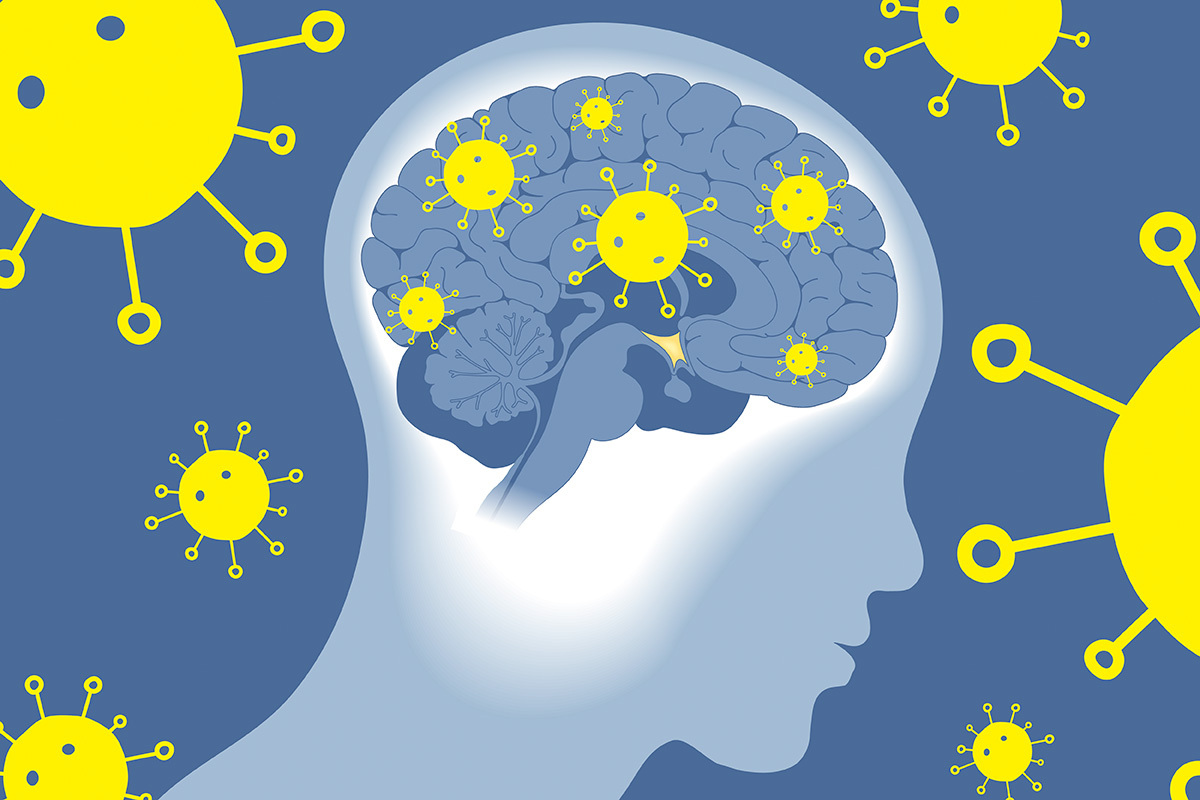
New research suggests that the COVID-19 pandemic may have had a profound impact on cognitive health—regardless of whether individuals were infected with the virus. The stress, disruption, and prolonged uncertainty experienced during the global health crisis appear to have contributed to measurable signs of brain aging across the general population.
Investigators analyzing alterations in brain activity and psychological capabilities prior to, throughout, and following the pandemic have discovered signs of heightened cognitive deterioration among adults of different age groups. These modifications were observed even in those who never contracted COVID-19, suggesting a wider environmental and psychological impact rather than one solely attributed to the virus itself.
The pandemic era brought significant changes to everyday habits, decreased social engagements, extended isolation, financial uncertainty, and general anxiety—elements that can heavily impact mental well-being. Experts suggest that these circumstances might have mirrored the effects commonly linked with aging, such as deteriorating memory, reduced processing speed, and diminished concentration.
In studies comparing cognitive test results from before the pandemic to those taken afterward, participants demonstrated slight but consistent declines in memory retention, executive function, and verbal reasoning. While the changes are subtle at an individual level, they were significant enough at the population level to raise concerns among neurologists and mental health professionals.
One theory is that chronic stress played a central role in this cognitive shift. Stress is known to affect the hippocampus—a brain region critical for memory and learning—and prolonged exposure to stress hormones like cortisol can impair neural function over time. The sustained psychological pressure brought on by the pandemic may have created a neurological environment similar to that seen in aging brains.
Moreover, the drastic reduction in social interaction may have compounded the effects. Humans are inherently social beings, and regular engagement with others helps stimulate brain function and maintain cognitive sharpness. The isolation many people experienced during lockdowns and distancing measures may have accelerated brain changes typically observed in older adults.
Remote working setups, decreased levels of physical activity, altered sleep routines, and prolonged screen exposure likely played a role as well. Previous studies have connected all these factors to alterations in brain health, and when they occur together—as was the case during the pandemic—they might have resulted in a combined impact.
Interestingly, scientists also noted that people who had been infected with COVID-19 exhibited similar trends of cognitive deterioration, not necessarily progressing more rapidly than those who remained uninfected. This observation indicates that the environmental and psychological consequences of the pandemic might be as significant as the virus’s biological effects in terms of cognitive aging.
These results prompt significant inquiries regarding the ways society bolsters mental and neurological well-being amid extensive disturbances. Specialists propose that the enduring effects of the pandemic might surpass public health indicators such as infection levels and hospitalization figures. If mental deterioration has grown more prevalent because of common stress factors, it may be imperative to reshape the comprehension of recovery after the pandemic to prioritize brain health.
Healthcare professionals are urged to keep a closer eye on patients for indications of cognitive shifts, particularly those who are middle-aged or older. Routine evaluations of memory, mental health assessments, and proactive lifestyle measures might assist in reducing potential long-term impacts.
Public health campaigns aimed at reducing stress, improving sleep hygiene, and promoting physical and social activity could play a significant role in mitigating some of the damage. Brain plasticity—the brain’s ability to adapt and regenerate—remains strong throughout much of adulthood, and early interventions may be effective in slowing or even reversing the trend.
The role of digital technology during the pandemic is also under scrutiny. While digital tools helped people stay connected and work remotely, excessive screen exposure may have led to sensory overload and reduced attention spans. Some researchers argue that the shift to digital communication, while necessary, did not provide the same cognitive stimulation as face-to-face interaction, contributing to a sense of mental fatigue.
Schools and teachers are encountering similar challenges. Although remote education served as a valuable substitute during lockdowns, it might have adversely affected students’ focus, ability to retain information, and skills in critical analysis. As students go back to face-to-face classes, educational systems might need to revise curricula and assistance programs to help restore cognitive abilities that were less utilized or weakened during the pandemic era.
Workplaces, too, are being encouraged to consider the cognitive effects of the last few years as they adjust to new norms. Employers may benefit from providing access to mental health support, promoting in-office collaboration where safe, and encouraging healthy work-life boundaries. These practices can help restore cognitive resilience and improve overall performance.
Longitudinal studies are now being developed to track how these cognitive changes evolve over time. By following the same individuals across multiple years, researchers hope to determine whether the observed decline is a temporary setback or the beginning of a longer-term trend. The results could shape future mental health policies, public education campaigns, and even approaches to aging.
While the pandemic may have accelerated certain aging-related brain patterns, it also offers a critical opportunity to rethink how society values and protects mental health. Awareness of the issue is growing, and with it comes a chance to implement strategies that can buffer against similar effects during future crises.
The emerging evidence serves as a reminder that cognitive health is influenced by more than just biology. Our environment, routines, stress levels, and social structures all contribute to how well the brain functions. In the wake of a global disruption as vast as the COVID-19 pandemic, it’s clear that protecting brain health must be part of any comprehensive recovery plan.