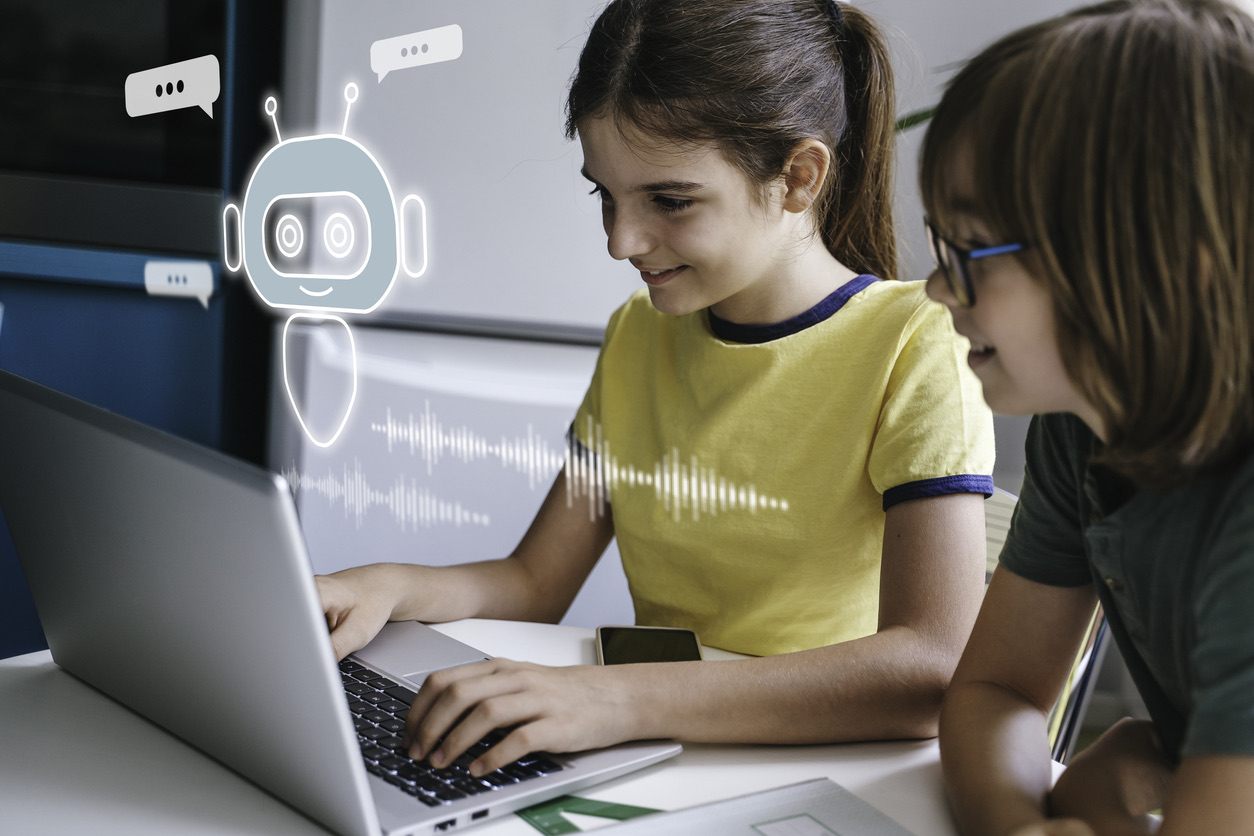
As artificial intelligence becomes more accessible and embedded in everyday life, a growing number of children are turning to AI-powered companions to seek answers, guidance, and emotional support. A recent study has shed light on this trend, revealing that children as young as eight are engaging in conversations with AI chatbots about personal problems—ranging from school stress to family issues. While the technology is designed to be helpful and engaging, experts warn that relying on AI for advice at a formative age may have unintended consequences.
The results emerge as generative AI systems are increasingly integrated into children’s digital spaces via smart gadgets, educational resources, and social networks. These AI companions are typically crafted to reply with empathy, propose solutions for issues, and imitate human engagement. For younger users, especially those who might feel isolated or reluctant to converse with grown-ups, these systems present an attractive, non-critical option.
Yet, mental health experts and teachers are expressing worries about the prolonged consequences of these engagements. A significant concern is that AI, regardless of its complexity, does not possess true comprehension, emotional richness, or moral judgment. Even though it can mimic empathy and supply apparently useful replies, it does not genuinely understand the subtleties of human feelings, nor can it deliver the type of advice a skilled adult—like a parent, educator, or therapist—could offer.
The research noted that numerous children see AI tools as reliable companions. In certain instances, they favored the AI’s answers over those provided by adults, mentioning that the chatbot “pays more attention” or “never cuts in.” Although this view underscores the prospective benefits of AI as a means of communication, it also emphasizes shortcomings in interactions between adults and children that must be resolved. Specialists warn that replacing genuine human interaction with digital communication could affect children’s social skills, emotional growth, and ability to adapt.
Another concern identified by researchers is the potential for misinformation. Although progress continues in enhancing AI precision, these systems aren’t perfect. They may generate false, prejudiced, or deceptive replies—especially in intricate or delicate scenarios. If a child asks for advice on matters such as bullying, stress, or interpersonal dynamics and gets inadequate direction, the repercussions could be significant. In contrast to a conscientious adult, an AI system lacks responsibility or situational understanding to recognize when expert assistance is necessary.
The research additionally discovered that some children assign human-like traits to AI companions, giving them emotions, intentions, and personalities. This merging of boundaries between machines and humans can lead to confusion among young users regarding technology and relationships. Although establishing emotional connections with imaginary beings is not unprecedented—consider children’s relationships with their cherished stuffed toys or television characters—AI introduces a level of interactivity that can intensify attachment and obscure distinctions.
Guardians and teachers are currently confronted with the task of managing this evolving digital environment. Instead of completely prohibiting AI, specialists recommend a more balanced strategy that incorporates oversight, instruction, and transparent dialogues. Educating youngsters about digital literacy—understanding the workings of AI, its limitations, and knowing when to consult humans—is considered crucial for promoting its safe and advantageous use.
The developers of AI companions are under growing pressure to incorporate protective measures into their systems. A few platforms have started to incorporate content moderation, implement age-suitable filters, and establish emergency protocols. Nonetheless, the consistency of enforcement varies, and there is no standard guideline for AI interaction with young people. As the interest in AI tools increases, industry regulation and ethical guidelines are expected to become more significant in discussions.
Teachers are crucial in guiding learners on the impact of AI in their everyday lives. Academic institutions can integrate curricula on responsible AI usage, critical analysis, and technology-related wellness. Promoting genuine social engagement and practical problem-solving strengthens abilities that cannot be duplicated by machines, like empathy, ethical decision-making, and perseverance.
Despite the concerns, the integration of AI into children’s lives is not without potential benefits. When used appropriately, AI tools can support learning, creativity, and curiosity. For example, children with learning differences or speech challenges may find AI chatbots helpful in expressing themselves or practicing communication. The key lies in ensuring that AI serves as a supplement—not a substitute—for human connection.
In the end, the growing use of AI by young individuals highlights broader patterns in how technology is altering human behavior and interactions. It acts as a reminder that, although machines can imitate comprehension, the indispensable worth of human empathy, guidance, and connection must stay central to child development.
As AI continues to evolve, so too must our approach to how children interact with it. Balancing innovation with responsibility will require thoughtful collaboration between families, educators, developers, and policymakers. Only then can we ensure that AI becomes a positive force in children’s lives—one that empowers rather than replaces the human support they truly need.