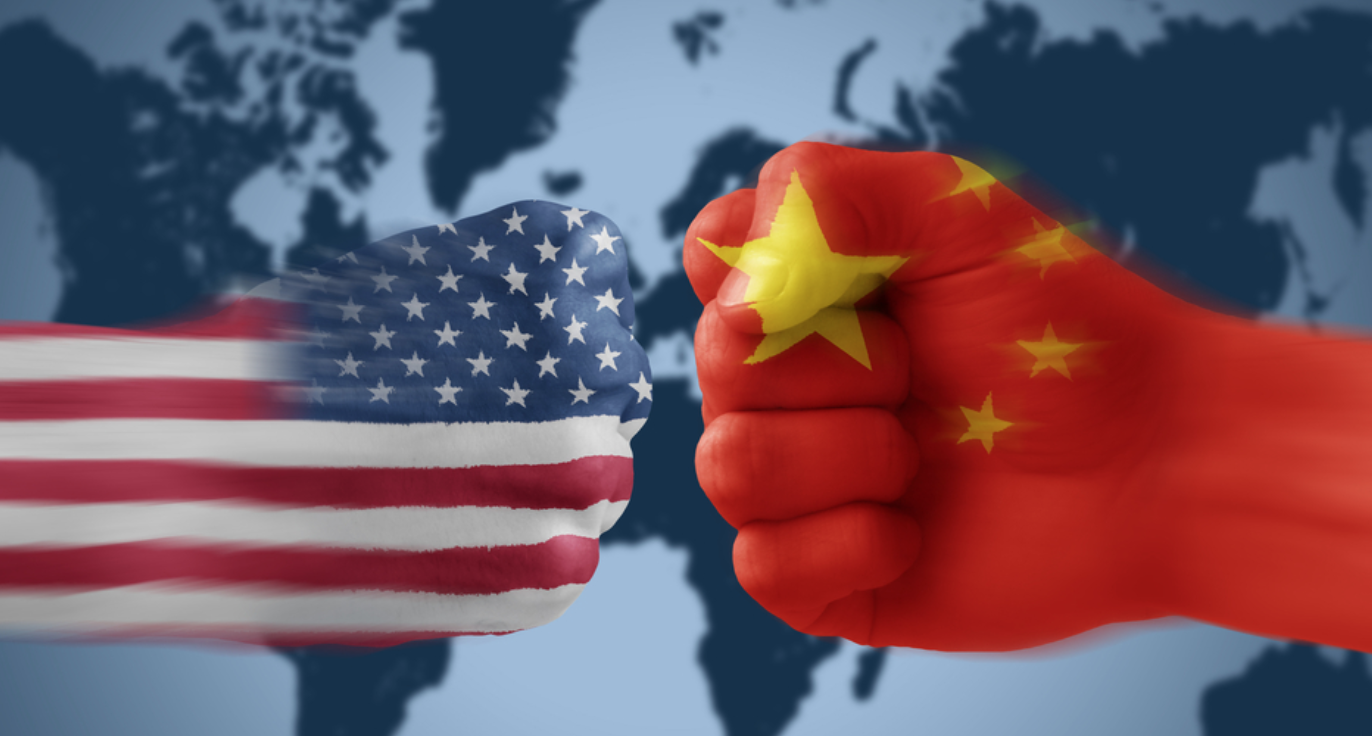
The economic landscape across Asia is experiencing heightened uncertainty following the latest wave of tariff threats from former U.S. President Donald Trump. The aggressive stance on trade, which has long been a hallmark of Trump’s economic policy, is once again casting a shadow over international markets, supply chains, and diplomatic relations. As tensions rise, observers are questioning whether any party truly stands to benefit from this escalating trade friction.
At the heart of the matter is Trump’s renewed focus on imposing tariffs as a means of addressing what he perceives as imbalances in the global trading system. In particular, Asian economies—many of which have built their growth strategies around export-driven models—find themselves in the crosshairs of potential new trade barriers. The ripple effects are being felt not only in China, which has been a primary target of past tariff rounds, but also in nations such as South Korea, Japan, Vietnam, and others whose economies are closely intertwined with both Chinese manufacturing and U.S. consumer markets.
The proposed tariffs are part of a broader narrative that Trump has championed since his first presidential campaign: the idea that the United States has been disadvantaged by unfair trade practices and that protective measures are necessary to restore balance. While this message has resonated with segments of the American public, particularly in manufacturing regions hit by industrial decline, its global repercussions have been far-reaching and complex.
Asian markets have reacted with justified nervousness. Several economies in this area depend significantly on exports to the United States, including not only manufactured items but also agricultural goods, electronics, clothing, and car components. The possibility of higher tariffs has raised fears about diminished competitiveness, possible job cuts, and decelerating economic expansion.
The uncertainty is particularly acute for China, which has previously been at the center of trade disputes with the United States. Although Beijing has taken steps to diversify its trade relationships and stimulate domestic consumption, the U.S. remains one of its largest export markets. A renewed trade battle could jeopardize fragile economic recovery efforts in the wake of recent global disruptions.
Other Asian countries, including Vietnam, Malaysia, and India, that have established themselves as alternative centers for manufacturing, also encounter a complex balancing act. On one side, they could benefit from companies moving their supply chains away from China to bypass tariffs. On the flip side, if tariffs are widely applied or global demand decreases, these countries might experience negative effects due to a more extensive economic downturn.
The financial markets have mirrored this rising concern. Asian stock indices have displayed heightened instability, as investors remain cautious about the possibility of interrupted supply chains and decreased company profits. Currency swings have also grown more pronounced as traders evaluate the effects of possible trade limitations on local economies.
In addition to economic consequences, the political ramifications are significant. Countries in Asia have long relied on stable trade relationships to support their development. The unpredictability of U.S. trade policy under Trump’s approach raises questions about the reliability of the global economic order that has been in place for decades. This has prompted some nations to accelerate efforts to strengthen regional trade agreements, such as the Regional Comprehensive Economic Partnership (RCEP), in hopes of reducing dependence on Western markets.
Although the situation is chaotic, evident “victors” are scarce in this context. A few sectors within the U.S. could benefit briefly from heightened protectionism, yet these benefits are frequently counterbalanced by increased costs for consumers and retaliatory actions from impacted nations. For example, American farmers have faced reduced export opportunities when foreign governments implemented counter-tariffs on farm goods due to U.S. policies.
Similarly, Asian economies that benefit from supply chain shifts may find that the short-term gains are accompanied by long-term uncertainty. Companies are wary of investing heavily in new facilities if trade policies continue to fluctuate with political winds. Moreover, the interconnected nature of modern supply chains means that disruptions in one region often cascade globally, affecting production, pricing, and employment far beyond the original source of conflict.
The scenario further highlights the ongoing discussion about globalization and balancing national priorities with global collaboration. Trump’s tariff approach illustrates a wider movement towards economic nationalism that has been gaining popularity in several nations. Opponents claim that although protectionist actions can offer political benefits at home, they frequently weaken the collaborative structures that have supported worldwide economic stability.
From an economic standpoint, many experts caution that the reintroduction of aggressive tariff measures could slow global growth at a time when many countries are still recovering from the effects of the COVID-19 pandemic and ongoing geopolitical uncertainties. With energy prices volatile, inflationary pressures persisting, and consumer demand uneven, the prospect of new trade barriers adds another layer of complexity to an already challenging economic environment.
The business community, both in Asia and elsewhere, has consistently advocated for stability and predictability in trade policy. Multinational companies that operate across borders require clear rules and minimal disruption to maintain profitability and protect jobs. The reemergence of tariff threats disrupts this stability, forcing companies to reconsider investment plans, supply chain strategies, and long-term growth projections.
Moreover, there are social consequences to consider. In many Asian countries, export-driven industries provide employment for millions of workers, particularly in manufacturing sectors such as electronics, textiles, and automotive parts. Tariffs that reduce export demand could lead to factory closures, job losses, and social instability. For governments in the region, this poses a serious challenge that extends beyond economics to include social welfare and political stability.
The effect on the environment from changing supply chains is increasingly a worry. As producers look for different places to bypass tariffs, the growth of industrial operations into fresh areas might result in higher use of resources, harm to ecosystems, and obstacles to sustainable growth. These problems contribute another layer to the already intricate debate about international trade regulations.
While discussions about tariffs persist, certain analysts advocate for refreshing attempts at multilateral collaboration and improvements to international trade organizations. They highlight that although imperfections exist in the global trading framework, solutions tend to be more successful and lasting when achieved through dialogue and agreement rather than one-sided actions. Restoring confidence among trade allies and tackling fundamental challenges like intellectual property rights, labor norms, and environmental safeguards could lead to a more equitable and robust global economic system.
In the meantime, Asian governments are working to navigate this period of uncertainty by diversifying economic partnerships, investing in domestic growth, and strengthening regional ties. The ability to adapt to shifting global dynamics will be crucial for maintaining stability and fostering continued development in the face of external pressures.
For the United States, the question remains whether a return to aggressive tariff policies would achieve the intended economic objectives or whether it would risk unintended consequences that could reverberate across both domestic and international landscapes. While tariffs can offer short-term protection for certain industries, they also have the potential to trigger inflation, disrupt supply chains, and strain diplomatic relations.
As global economies remain closely connected, the impact of any significant change in U.S. trade policy will inevitably extend far beyond American borders. For Asia, the stakes are high, and the coming months will be critical in determining how countries in the region respond to the shifting terrain of international commerce.
In the end, the inquiry into whether there are any real victors in a trade environment governed by tariffs remains unanswered. Although protectionism can seem attractive to political motivations, the sustainable health of the worldwide economy relies on unity, stability, and acknowledging that economic success is typically reached through partnerships rather than disputes.